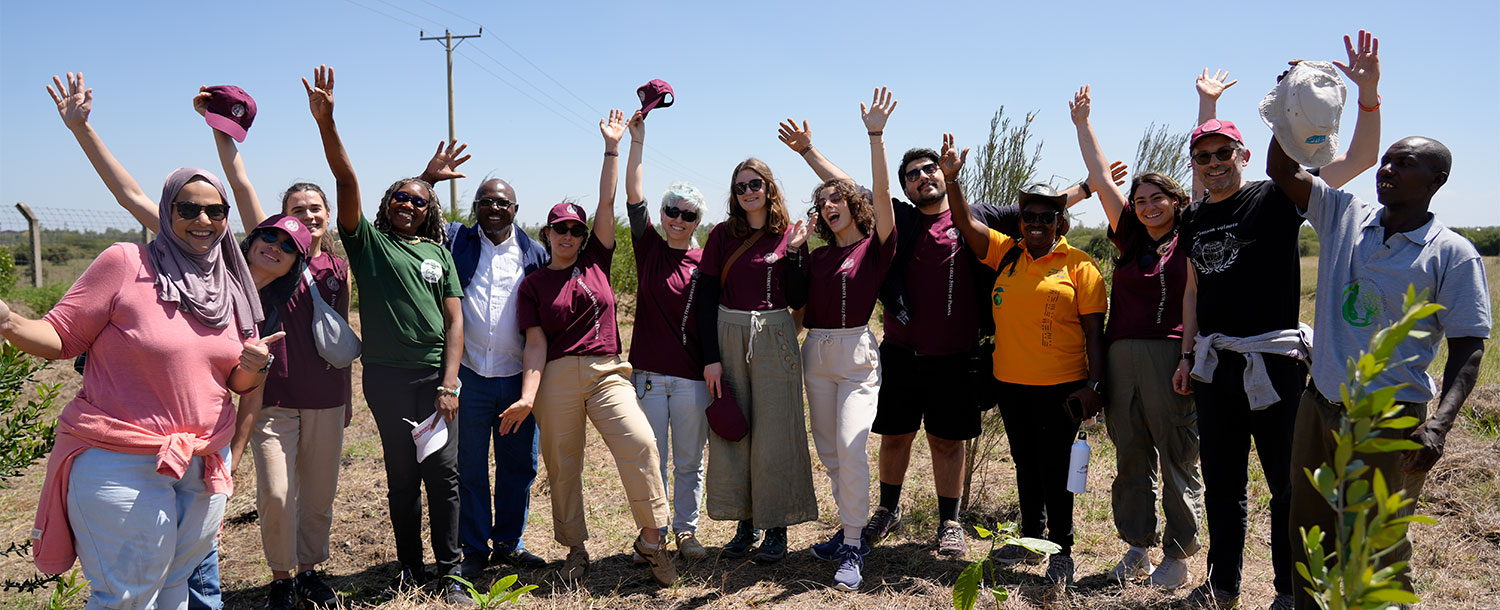

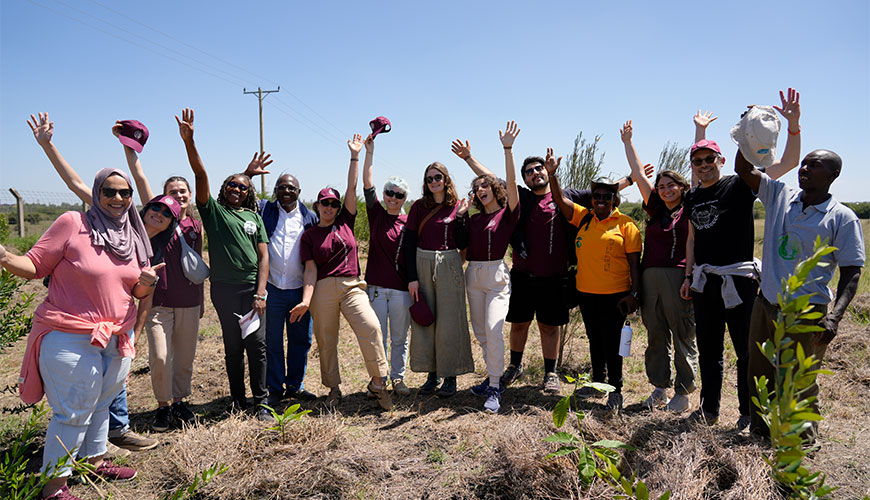
Learning moved beyond the classroom as PhD students and faculty from the University of Padova, together with doctoral scholars from Tangaza University, visited the Tangaza Kisaju Laudato Si’ Farm as part of an ongoing academic and project-based collaboration. The visit illustrated how doctoral training can extend beyond academic inquiry to engage directly with communities, lived environments, and ecological realities.
Led by Prof. Alberto Lanzavecchia -University of Padova and Dr. Steve Ouma Akoth Director of Postgraduate Studies at Tangaza University, the encounter offered participants an immersive experience in regenerative agriculture, sustainability practice, and faith-inspired ecological action. Through guided farm tours, practical demonstrations, and reflective dialogue, participants explored the intersections of theory, ethics, and practice in responding to pressing global challenges such as climate change, food systems, and social transformation.
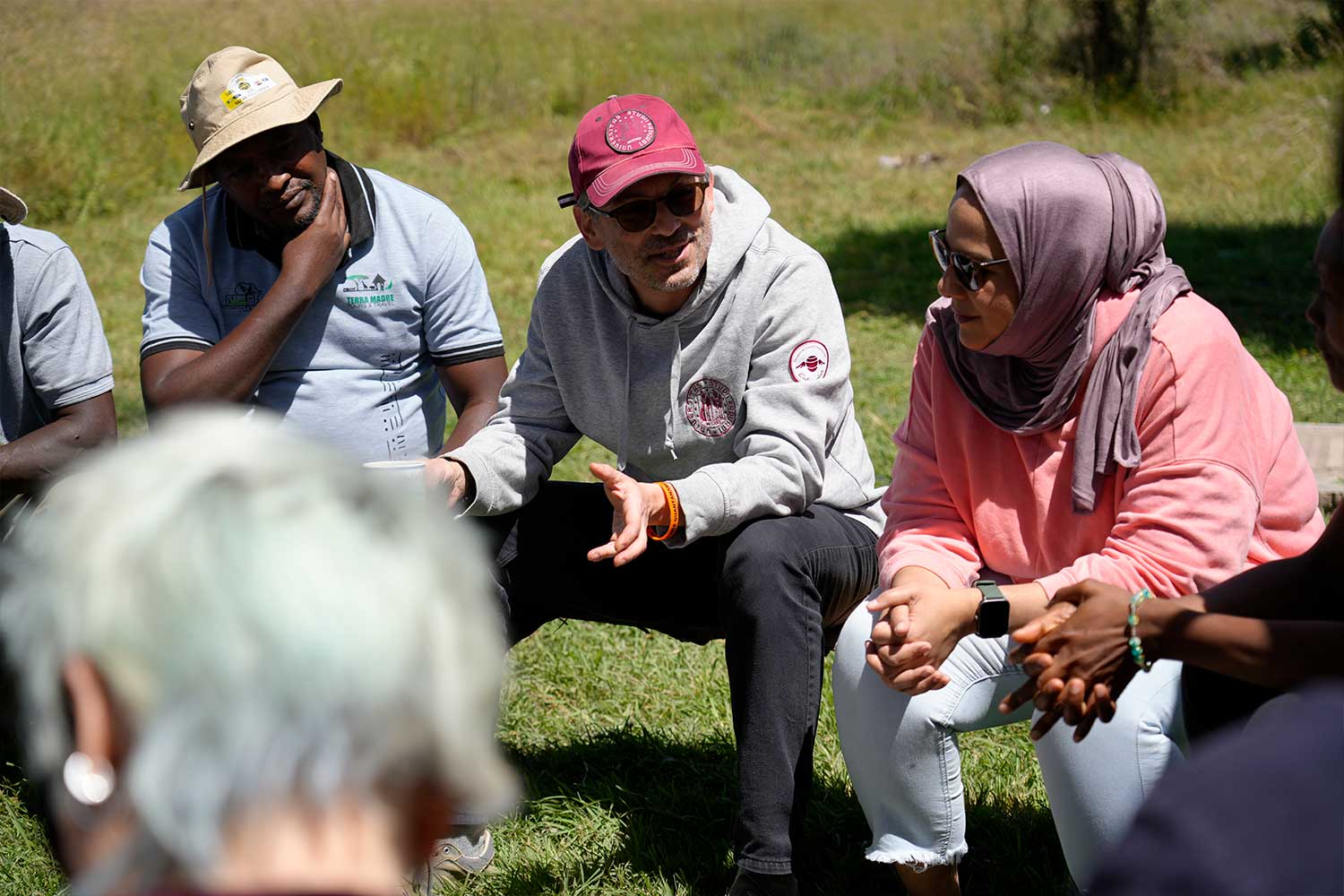
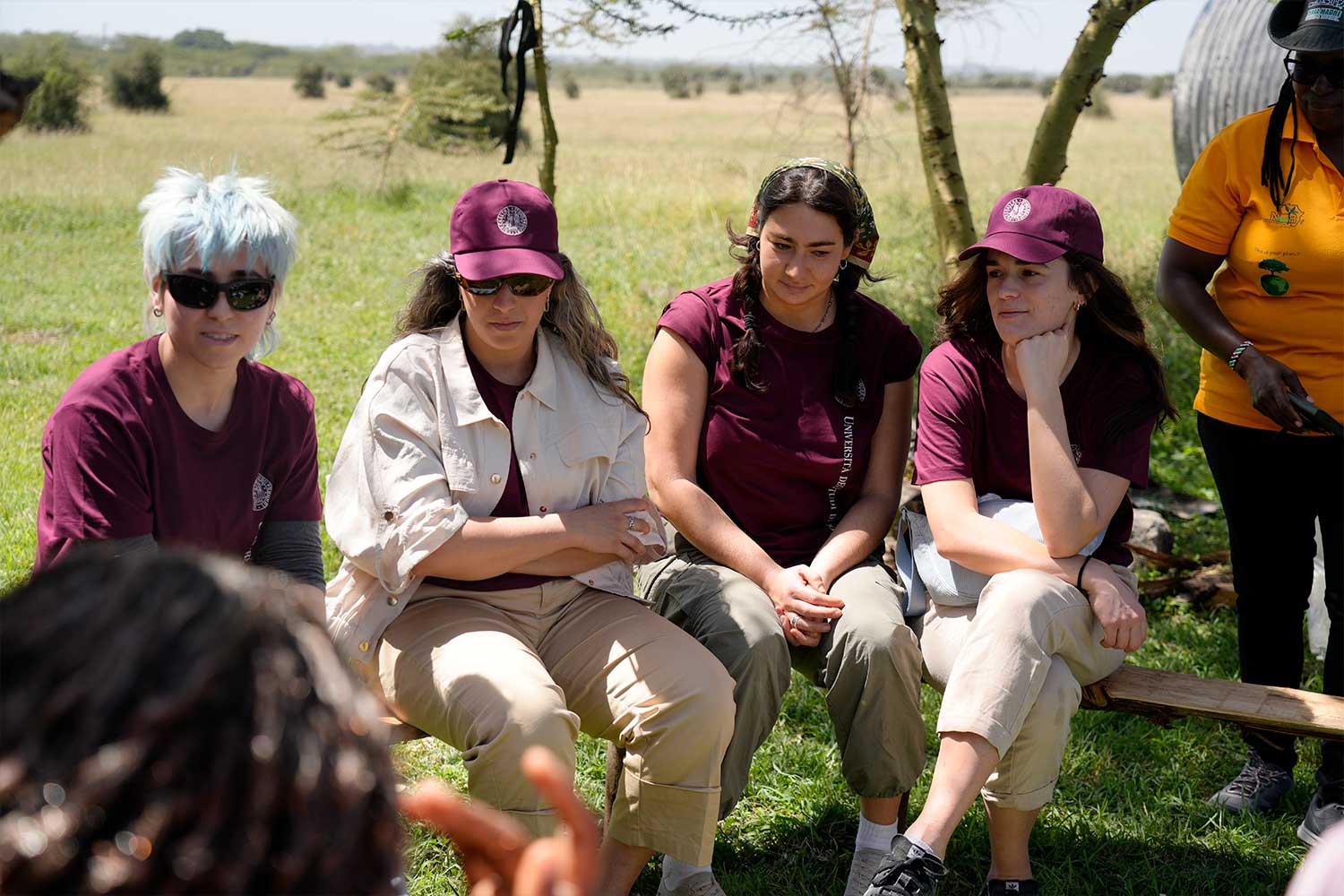
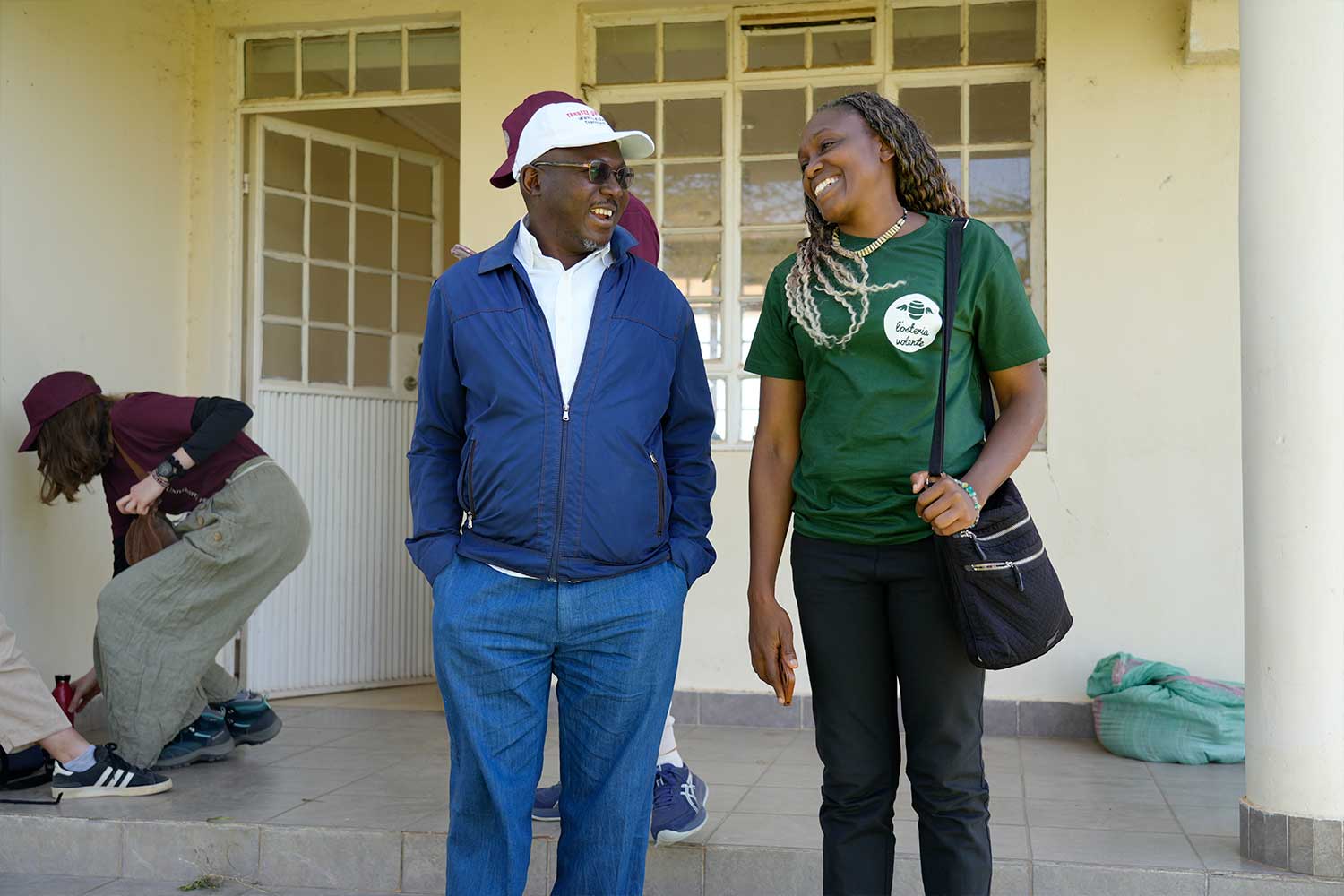
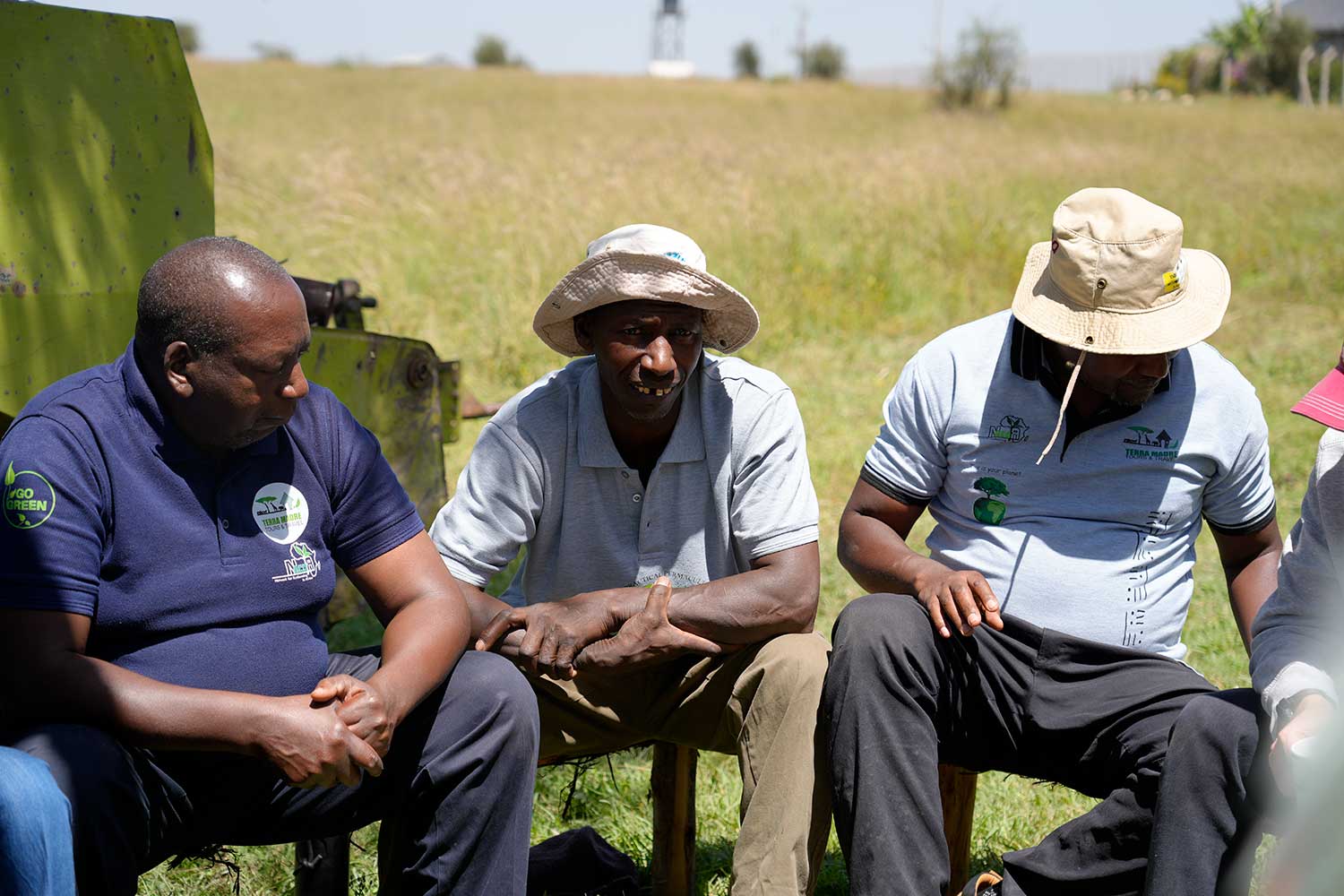
Central to the day’s learning was an exploration of core permaculture ethics: People Care, Earth Care, and Fair Share. As James Kagwe, a permaculture ecology trainer and facilitator of the visit, explained, these ethical principles were not abstract ideals but were visibly implemented across the farm. Soil regeneration practices, water-harvesting systems, crop diversity, and integrated animal systems collectively demonstrated how ethical commitments can be translated into sustainable design.
Kagwe raised a critical question that framed much of the day’s reflection: How can we demonstrate the claims we make in our academic discussions? This prompted a deeper engagement with contemporary food systems and ecological challenges. He observed that many current crises are not caused by a lack of resources, but by poor system design. Nature, he noted, freely offers resources such as water and fertile soil; however, unsustainable systems often prevent communities from harnessing these gifts effectively. His reflections challenged scholars to move beyond critique and toward designing solutions that speak directly to real-world problems.
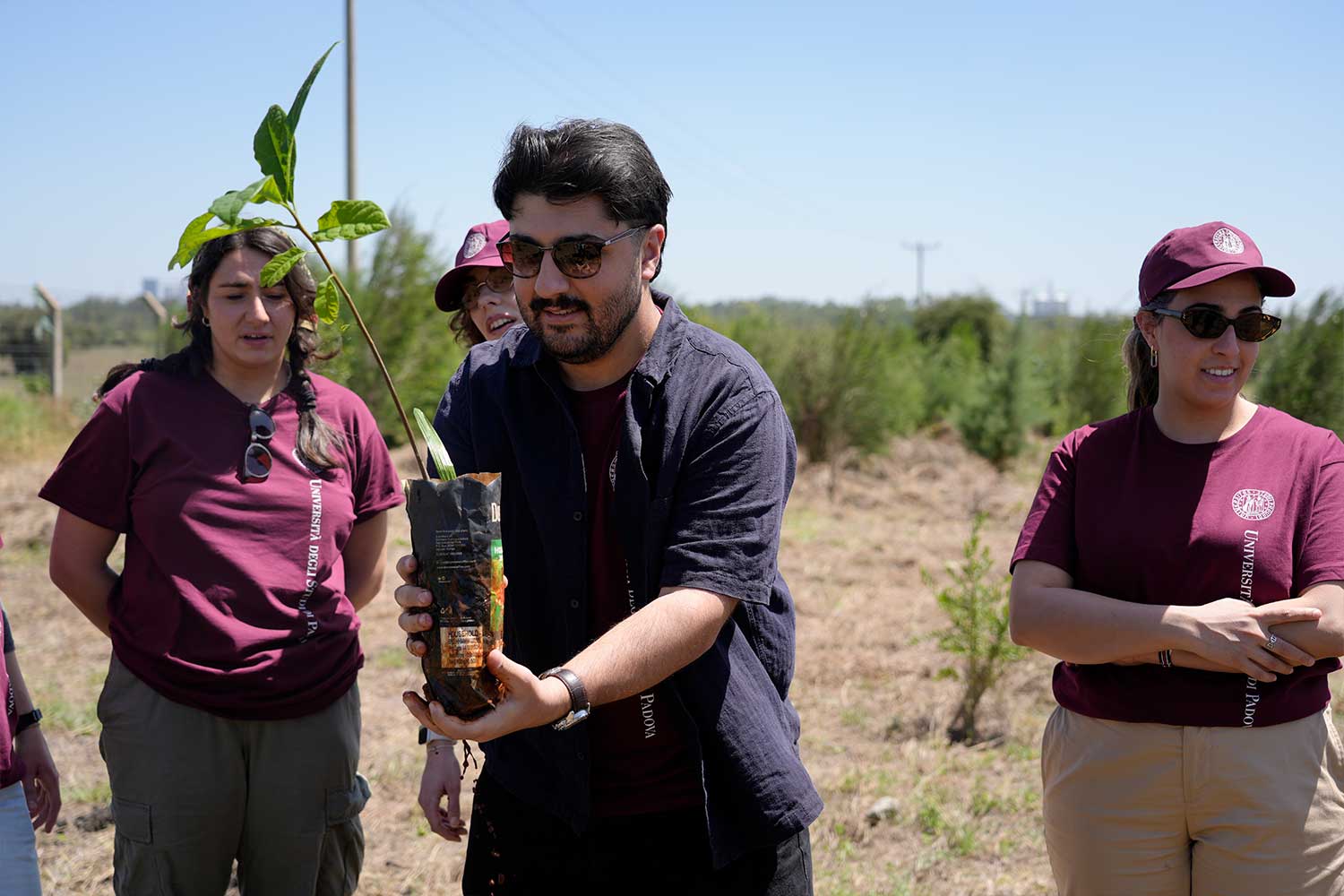
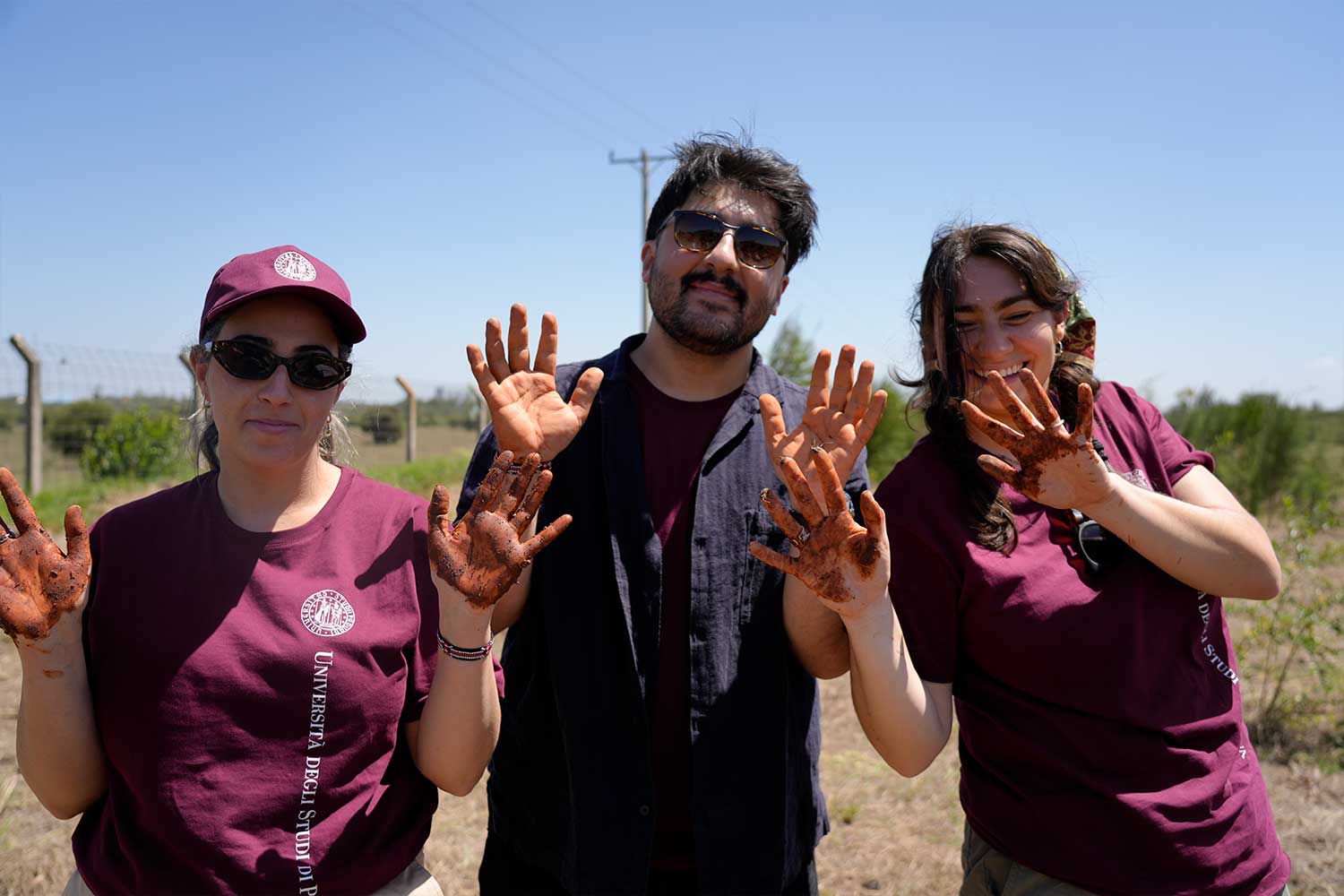
The verification of these ideas was immediate and tangible. Participants encountered the systems firsthand, touching the soil, observing crop growth, and learning how animal systems function within the broader ecosystem. This hands-on engagement reinforced the importance of experiential education and demonstrated how learning is deepened when knowledge is lived rather than merely discussed.
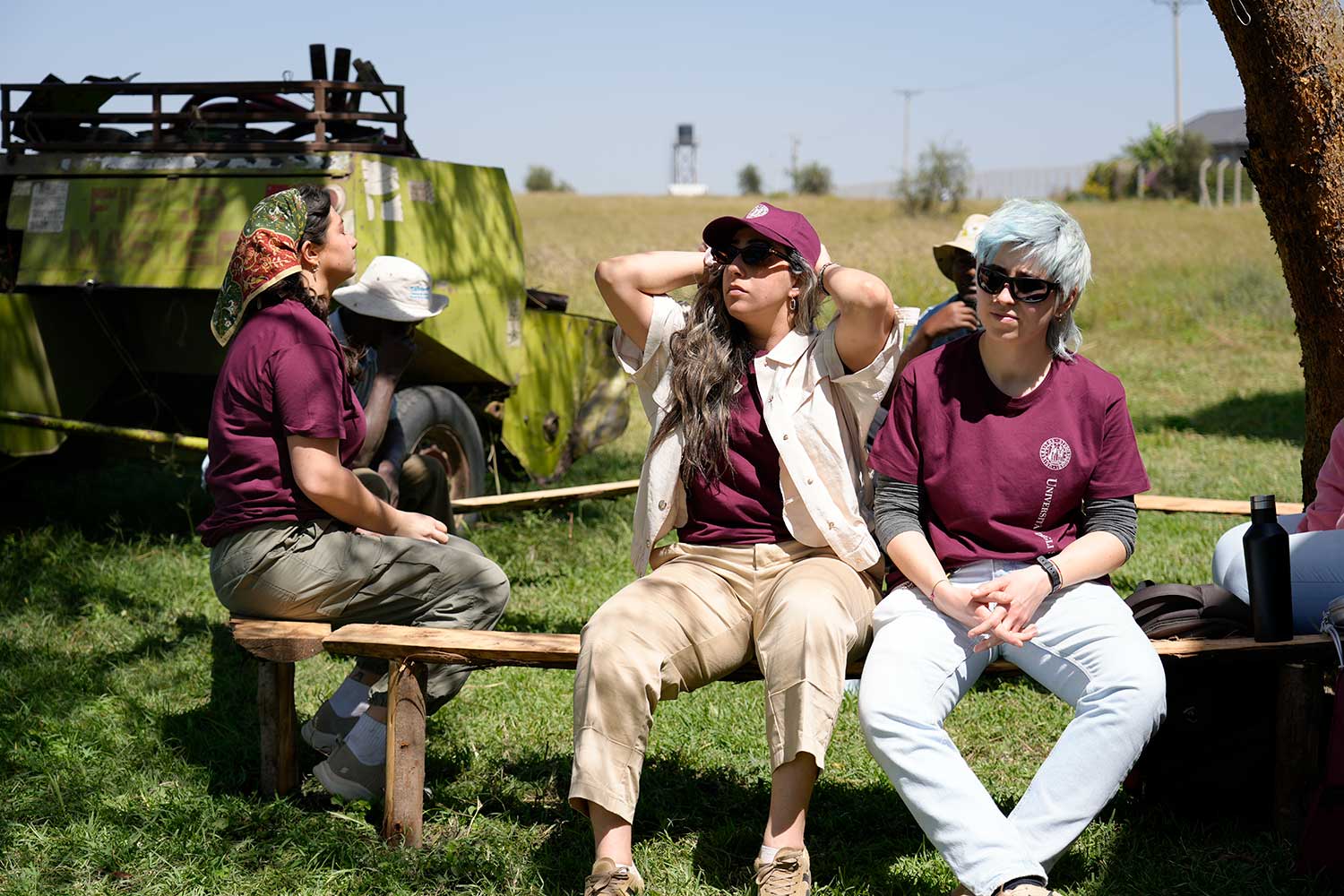
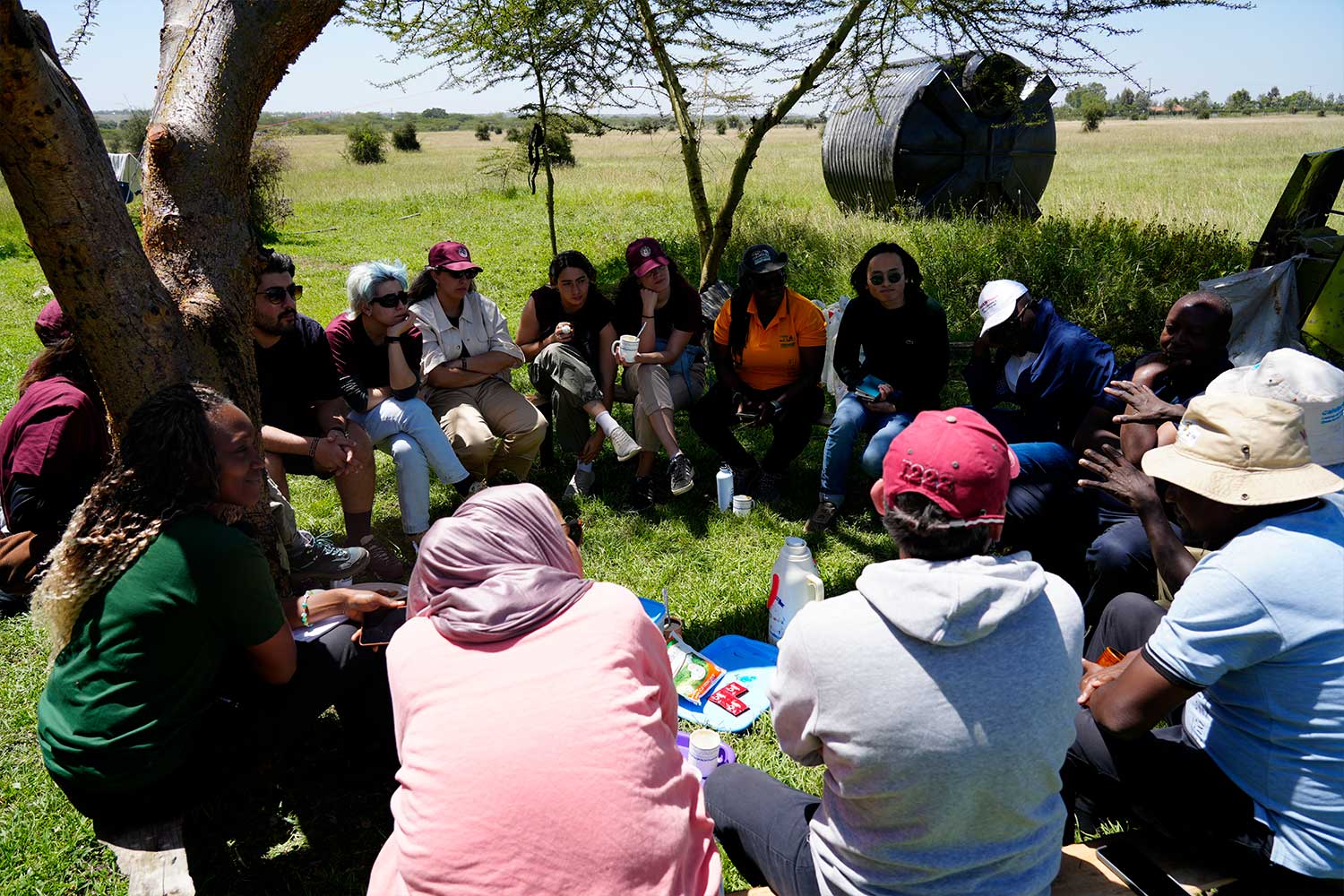
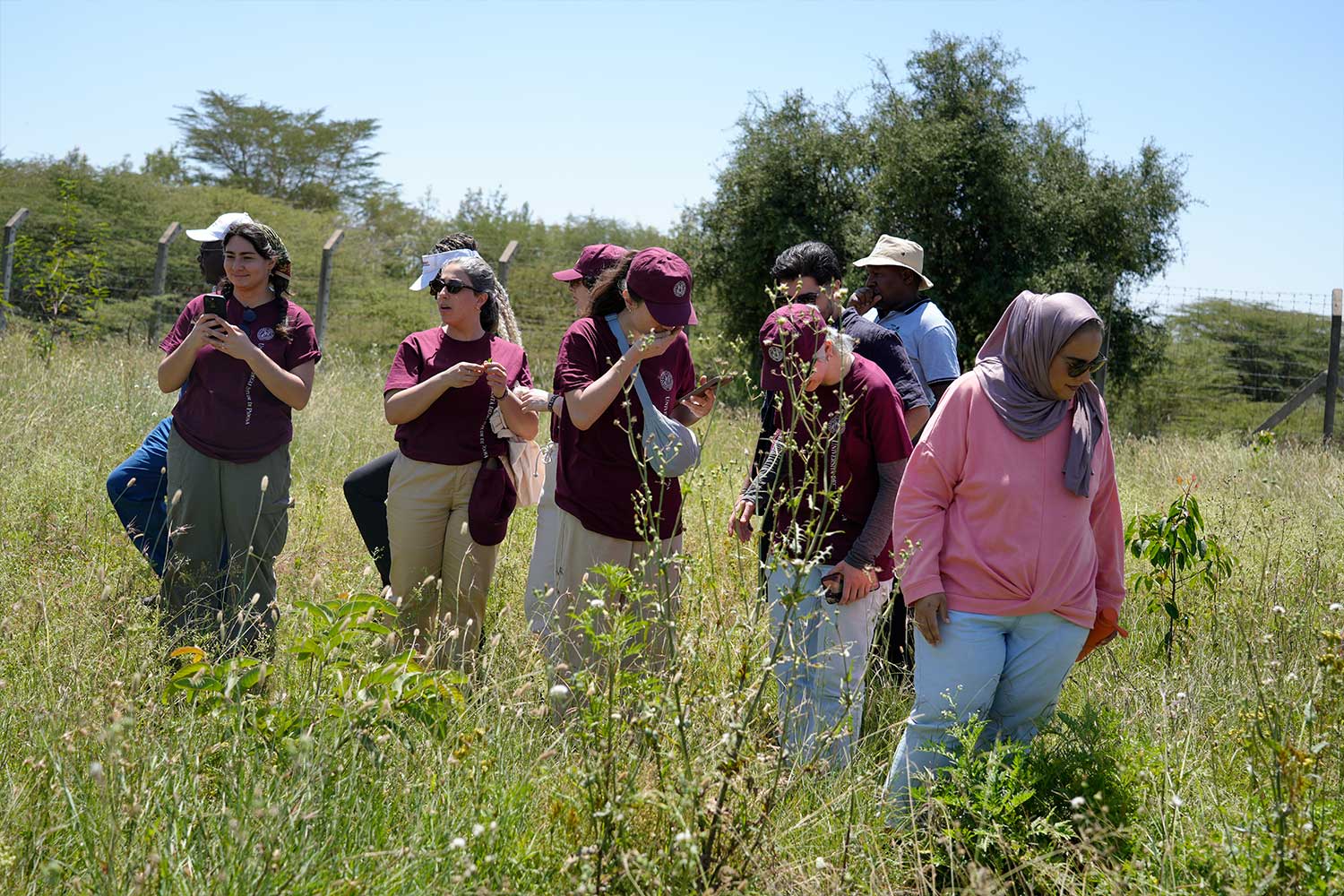
Building on this, conversations with Prof. Alberto Lanzavecchia emphasized that genuine care arises from connection: “we can only care for that which we are meaningfully connected to”. Experiential learning, therefore, becomes foundational in forming ecological consciousness. By directly relating with nature, students develop a deeper understanding of environmental processes and their own responsibility within them.
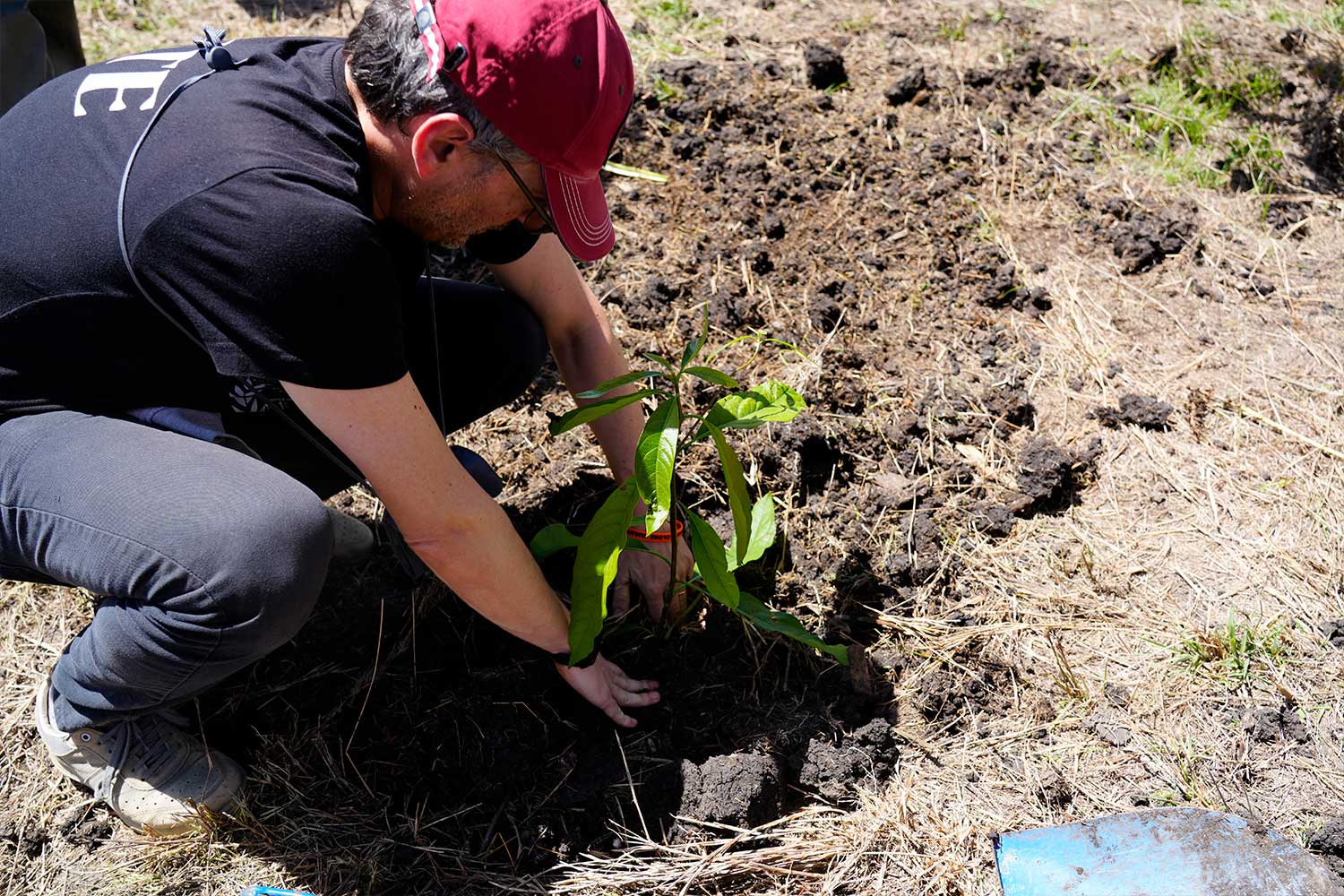
The tree-planting activity further symbolized more than environmental stewardship; it represented shared responsibility, long-term thinking, and collaborative knowledge production across institutions and continents. Reflections during the debrief highlighted the value of such experiences in shaping research questions, informing policy thinking, and expanding scholarly imagination.
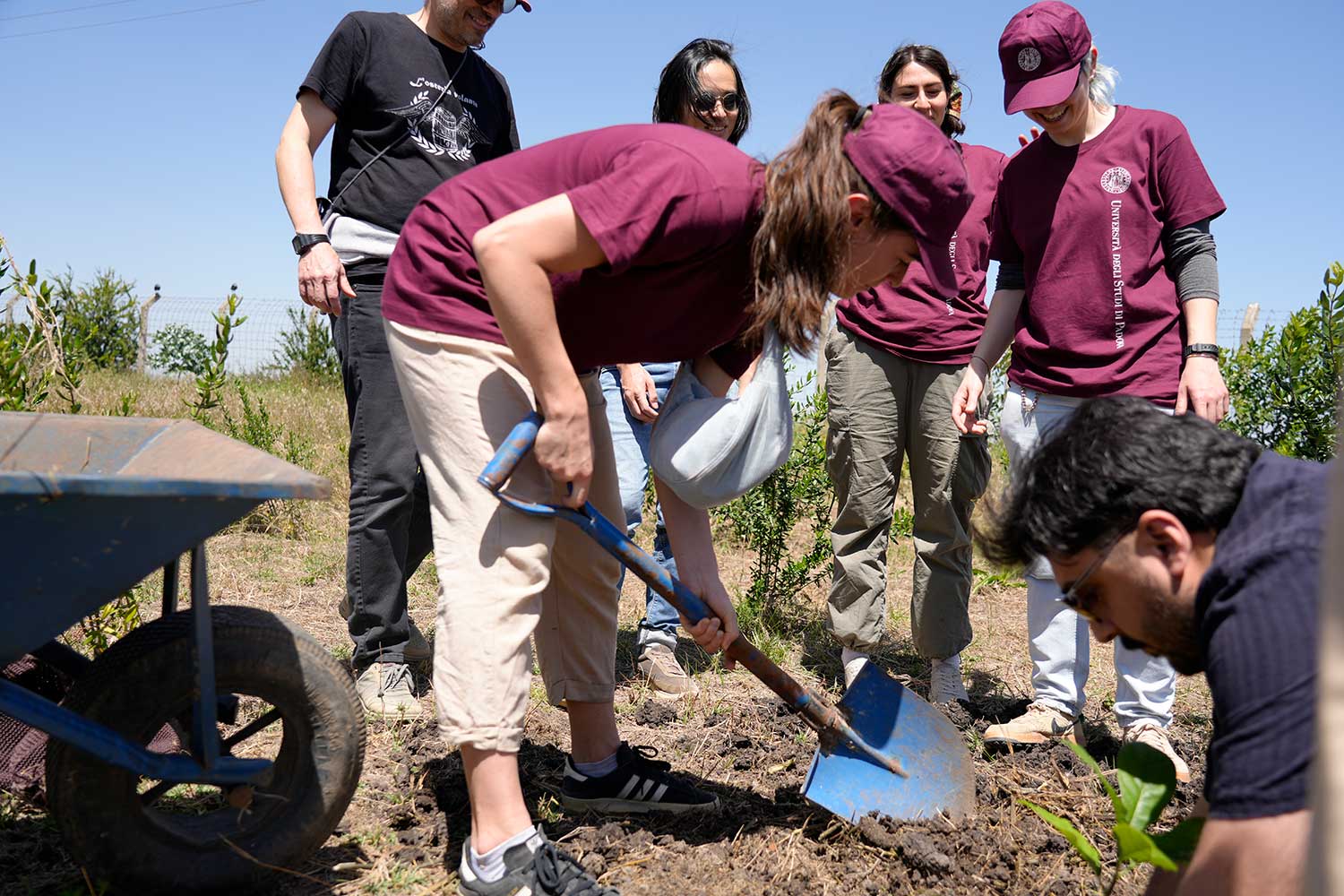
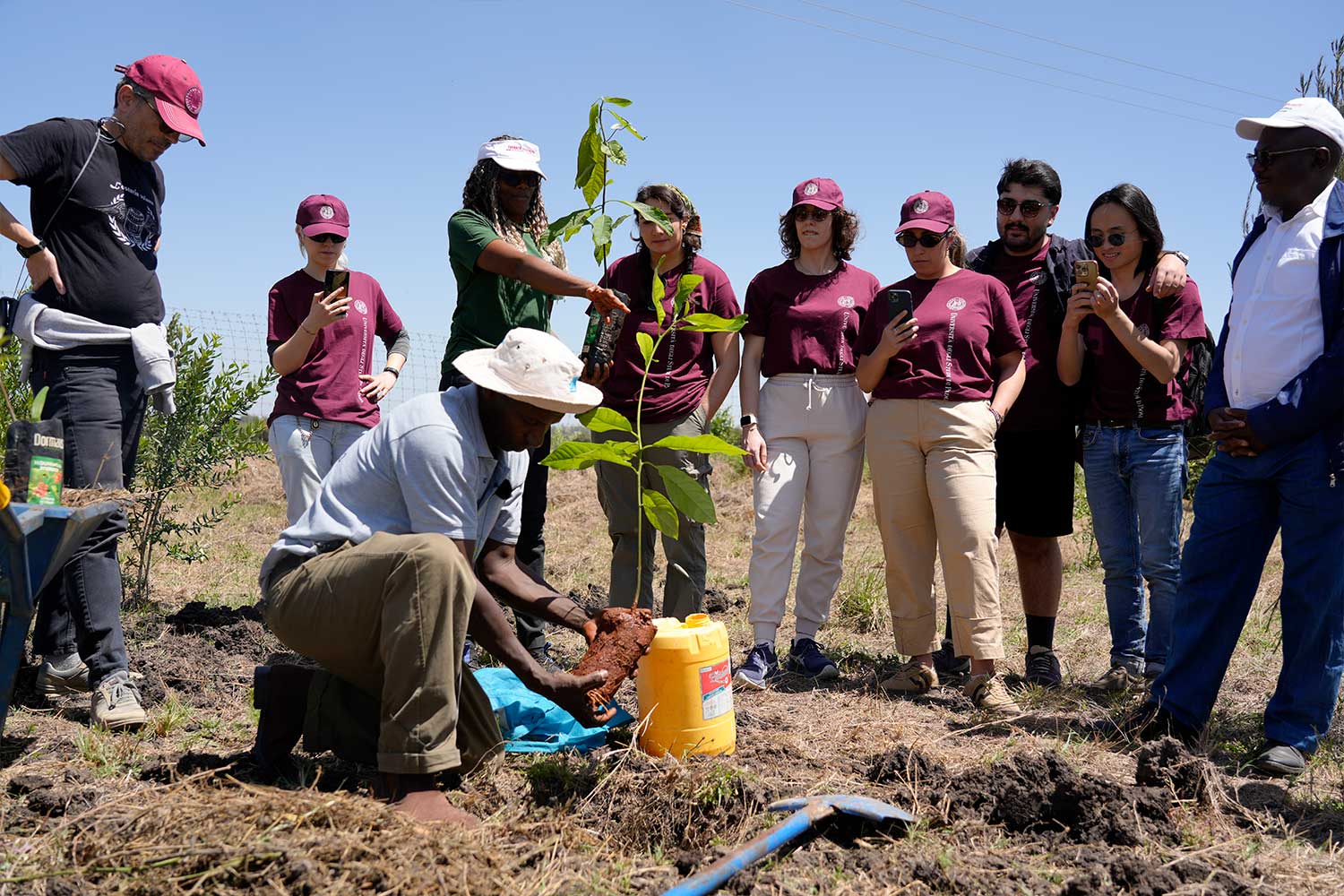
Overall, the visit reaffirmed Tangaza University’s commitment to integrative education, where academic rigor meets community-based practice, and where global partnerships translate into locally grounded and sustainable impact. Through such engagements, students are empowered not only as scholars, but also as agents of climate action and social transformation.
The visit also marked the unveiling of the Kisaju Maji kwa Ustahimilivu (KMKU) project, which involves the installation of a 10,000-litre water tank to support rainwater harvesting and climate resilience at the farm. The project is funded by Regione del Veneto, with support facilitated through the University of Padova Human Rights Centre and L’Osteria Volante. This initiative exemplifies how international academic partnerships can translate into concrete, community-centered infrastructure that strengthens ecological sustainability and adaptive capacity.