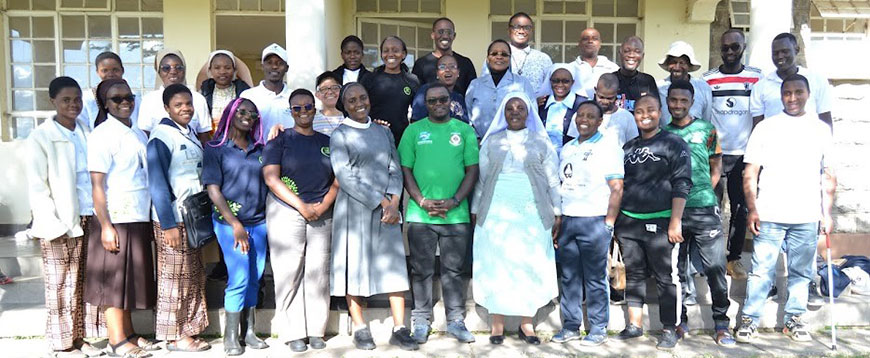

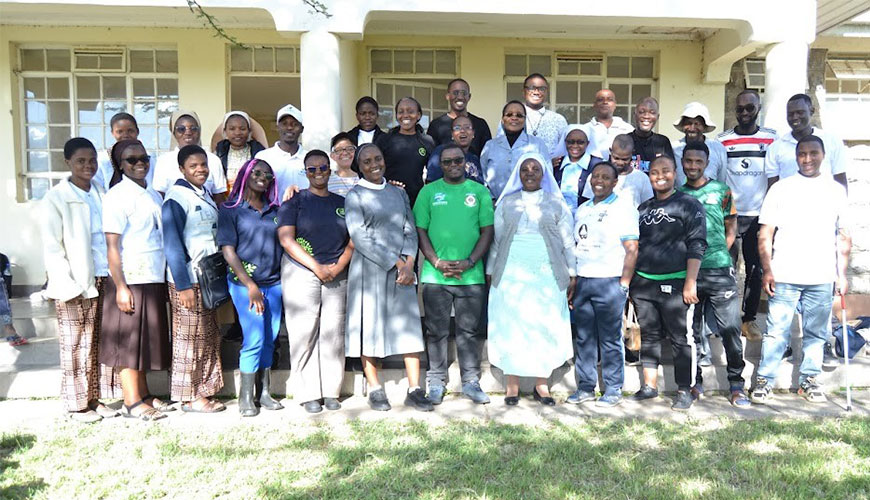
Every year on April 22nd, the world pauses to honor the planet we call home, at Tangaza University, this year’s International Earth Day celebration was not merely a symbolic gesture it was a living commitment to ecological renewal. Marked alongside the first anniversary of Pope Francis’ enduring environmental legacy, the day was marked as both a reflection and a call to action, grounded in the principles of care, sustainability, and integral ecology.
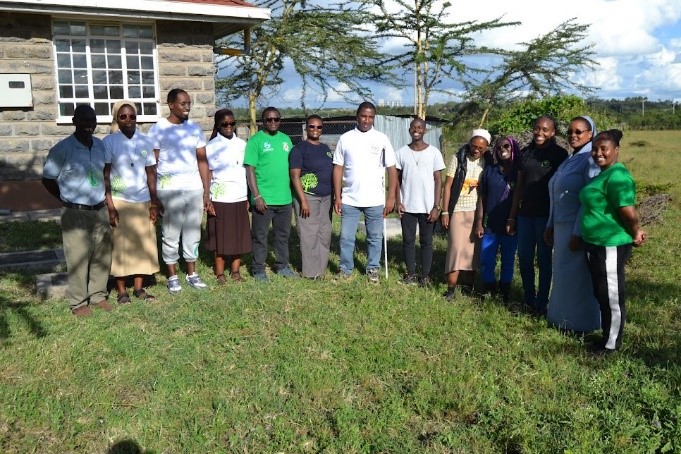
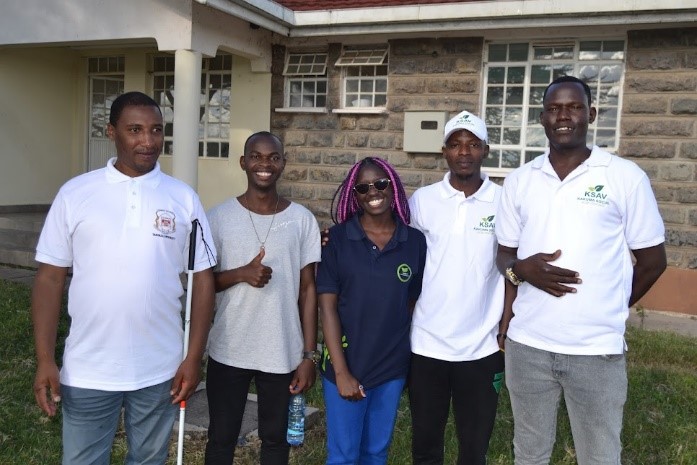
uided by the spirit of the Laudato Si’ Movement, the Tangaza Laudato SI Movement, friends and partners (Youths from Kakuma – Kakuma Social Agriventure, Comboni Alliance for Social Enterprise, Social Innovation Sand Box, Gathengera Practical Permaculture, New People Media Center) embarked on an intentional project: the establishment of a regenerative pasture-range system. This initiative responds to one of the most debated environmental concerns of our time the role of animal agriculture in accelerating climate change. Globally, livestock systems are often associated with high resource consumption and methane emissions. However, the African context presents a more nuanced reality. In Kenya and across much of the continent, pastoral systems are largely natural and symbiotic. Grazing animals contribute to nutrient cycling, and their waste, rather than being an environmental burden, becomes an organic resource that enriches the soil.
The system established was to show case how the animal particularly the sheep, and chicken and regenerate the land.
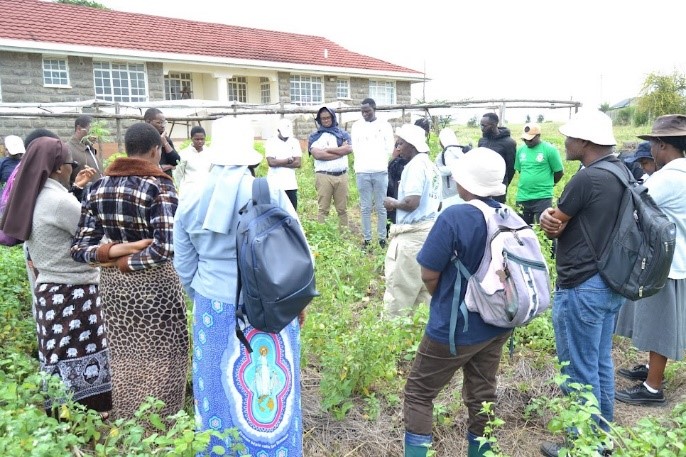
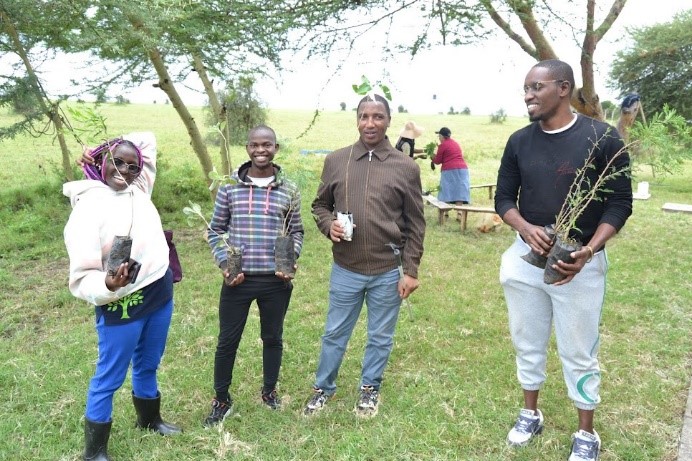
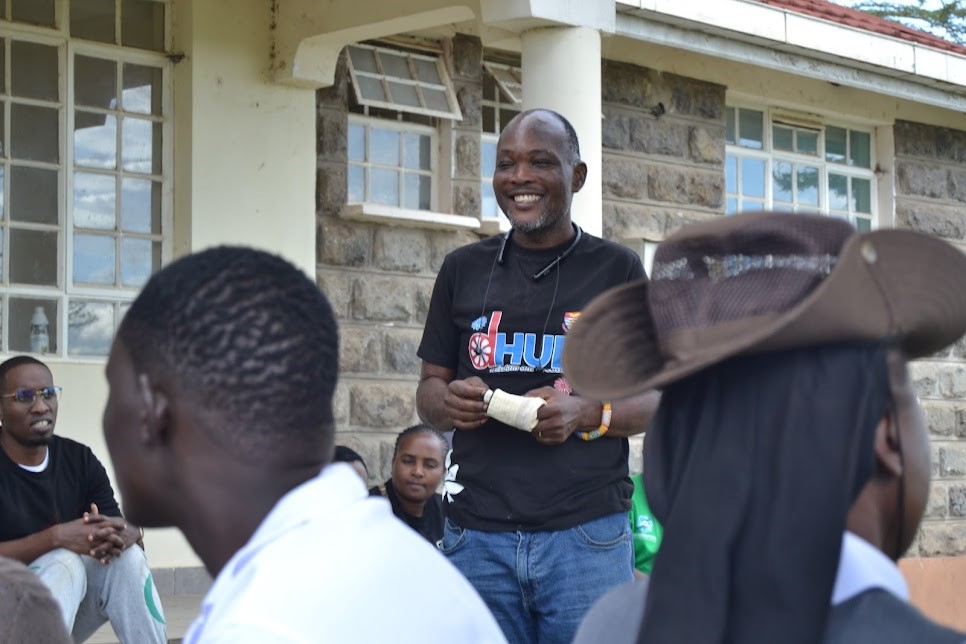
The day’s activities were anchored by a session led by James Kagwe, a seasoned permaculture ecologist. His opening reflections centered on the Earth Day theme, “Our Earth, Our Power.” He challenged participants to reconsider their individual and collective agency in restoring ecological balance. Rather than perceiving environmental stewardship as an abstract responsibility, Kagwe emphasized its immediacy urging each person to harness their “power” in tangible, regenerative ways.
A key highlight of the celebration was the planting of over twenty species of trees about 70 trees in total each carefully selected for its multifunctional value within a regenerative system. This initiative was guided by the concept of the “Seven Fs”: Food,Farmacy (medicine), Fodder, Fuel, Fiber, Fertilizer, and Fruits
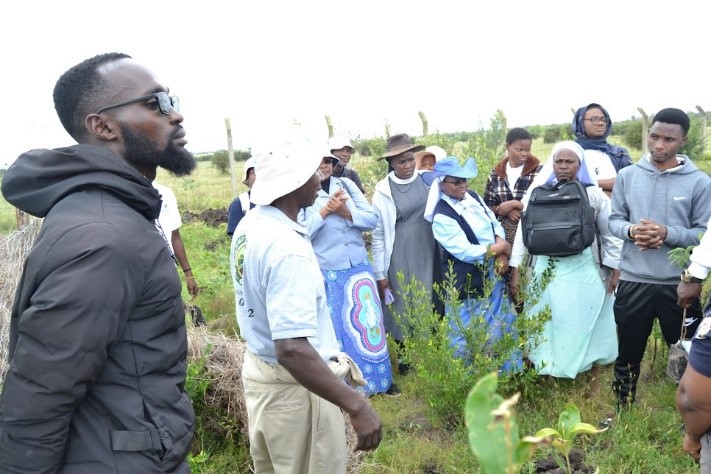
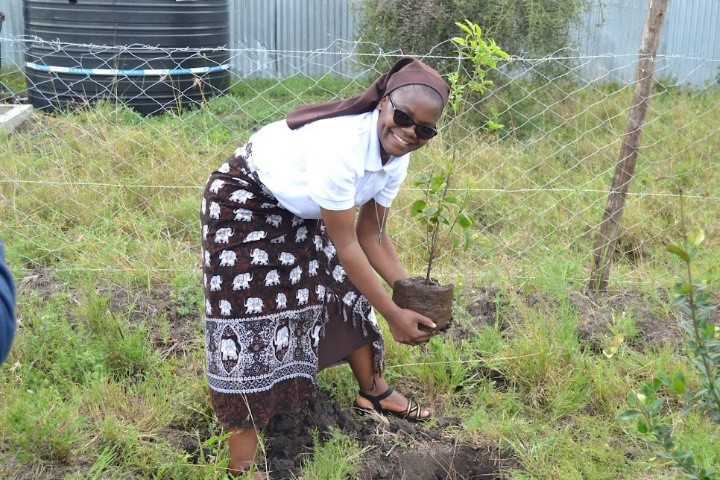
Fruit-bearing trees such as guava, pixie oranges, loquats, and grapes were planted to enhance food security and nutritional diversity. Medicinal species, including neem and muririshwa, were introduced to support natural healthcare practices. Fodder trees like calliandra and sesbania were integrated to sustain livestock, while fuel sources such as croton offered renewable energy alternatives, with additional potential for biodiesel production and poultry feed. Bamboo, selected for its remarkably rapid regeneration, fulfilled the fiber component, highlighting sustainable material use.
The richness of this system lies not only in its diversity but in its interconnectedness. Each element supports and reinforces the others, creating a resilient ecological network that mirrors natural ecosystems. Participants expressed deep appreciation for the depth of knowledge shared and the opportunity to engage in such a holistic model of farming.
The experiential dimension of the day extended beyond planting. Students visited an already established regenerative system within the university grounds, observing firsthand how these principles translate into practice. What they encountered was not theoretical it was tangible abundance. Trees once planted as seedlings now bore fruit; vegetable plots flourished; and the integration of livestock, crops, and soil management revealed a harmonious cycle of productivity.
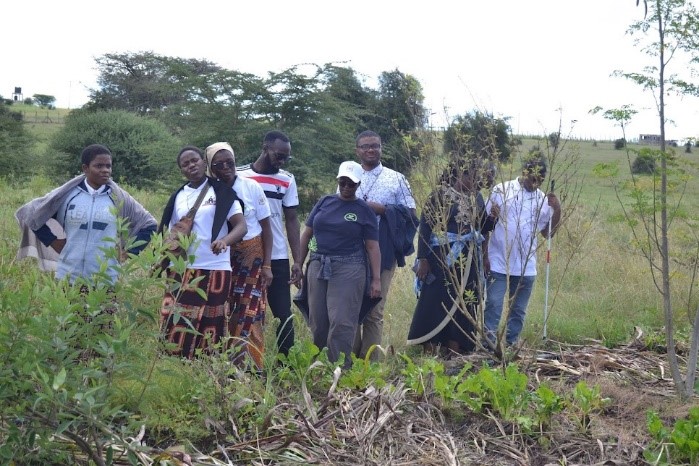
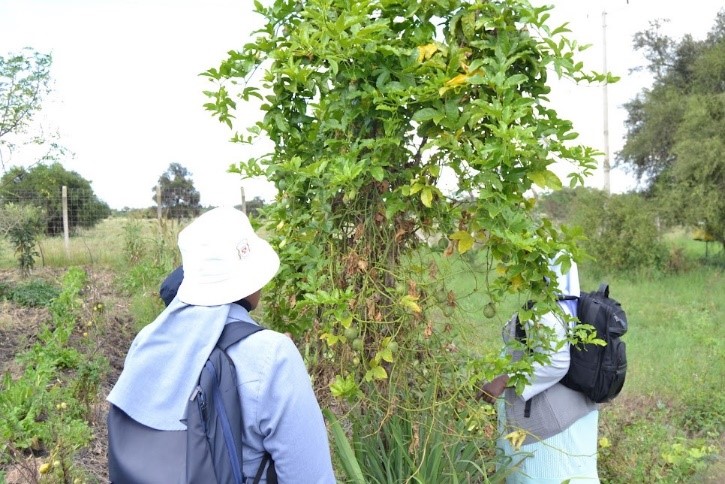
For many students, this was a powerful moment of realization. Some had participated in the initial planting phases and were now witnessing the fruits of their labor—literally and metaphorically. Sharing freshly harvested produce fostered a sense of ownership and pride, affirming that sustainable agriculture can indeed nourish communities in both body and spirit.
The day concluded with a reflective address by Professor Alexander Nuer From Ghana , a visiting scholar with the Institute for Social Transformation. His message resonated deeply: environmental action must leave a footprint not just on the land, but within our consciousness. He called on the community to embody transformation, aligning their daily lives with Tangaza University’s mission of “teaching minds, touching hearts, and transforming lives.”
Professor Nuer’s closing words echoed a profound truth: Earth Day should not be confined to a single date. Rather, it should be a daily ethic—a continuous commitment to actions that restore, protect, and sustain our world.
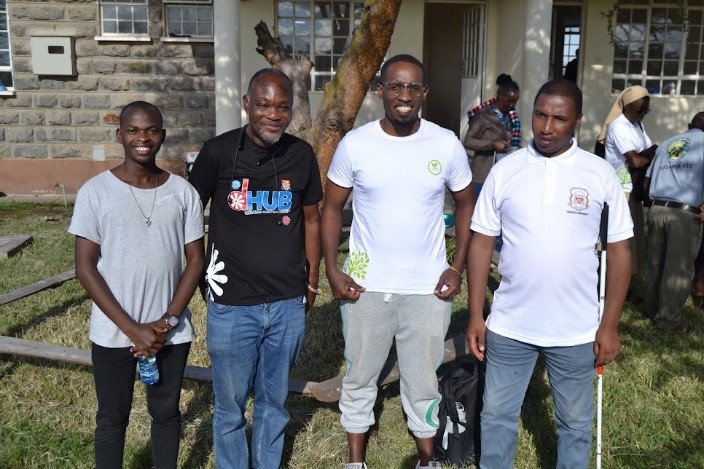
In commemorating both Earth Day and the legacy of Pope Francis, Tangaza University offered more than celebration. It demonstrated a model of hope rooted in knowledge, nurtured through action, and sustained by a shared vision of ecological harmony.