
Theme: “The Word of God in the Era of Artificial Intelligence.”
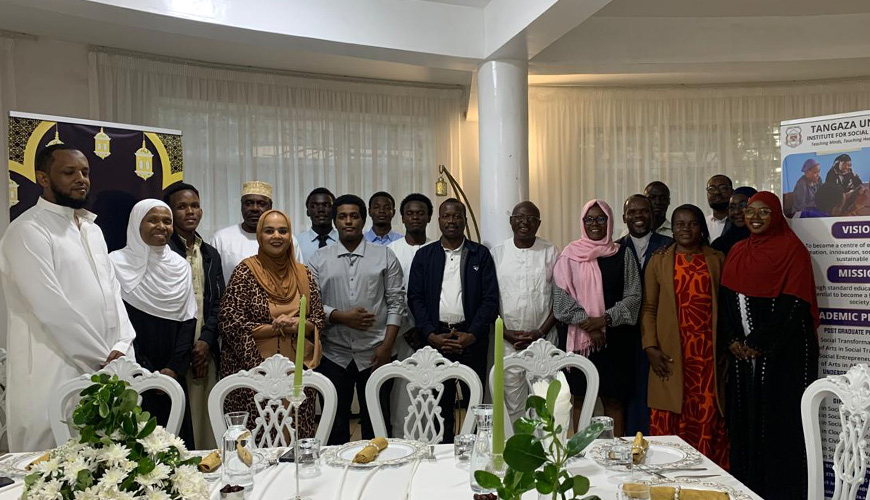
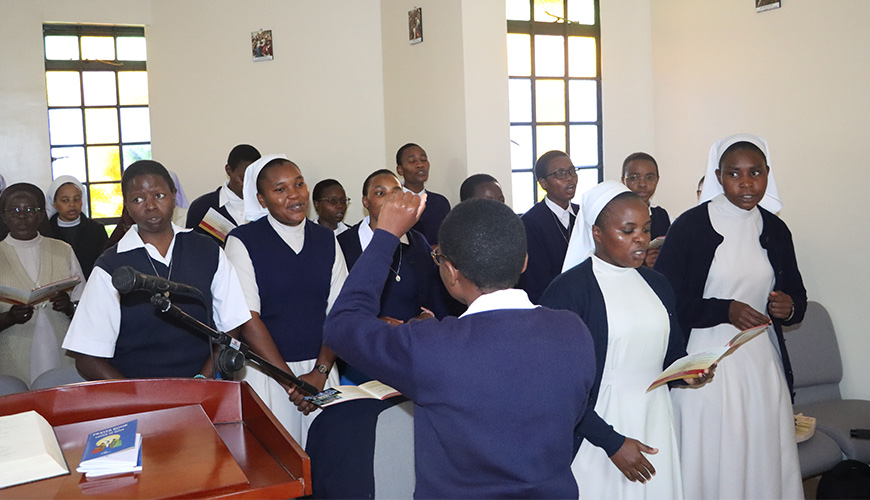
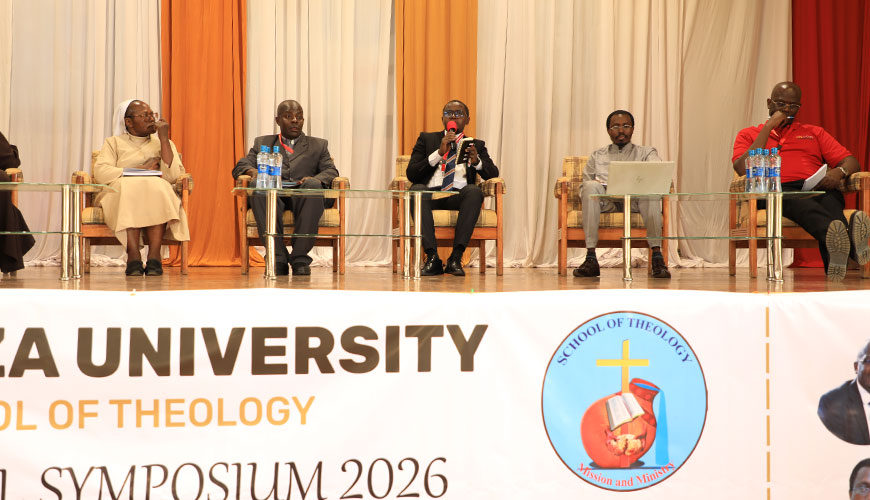
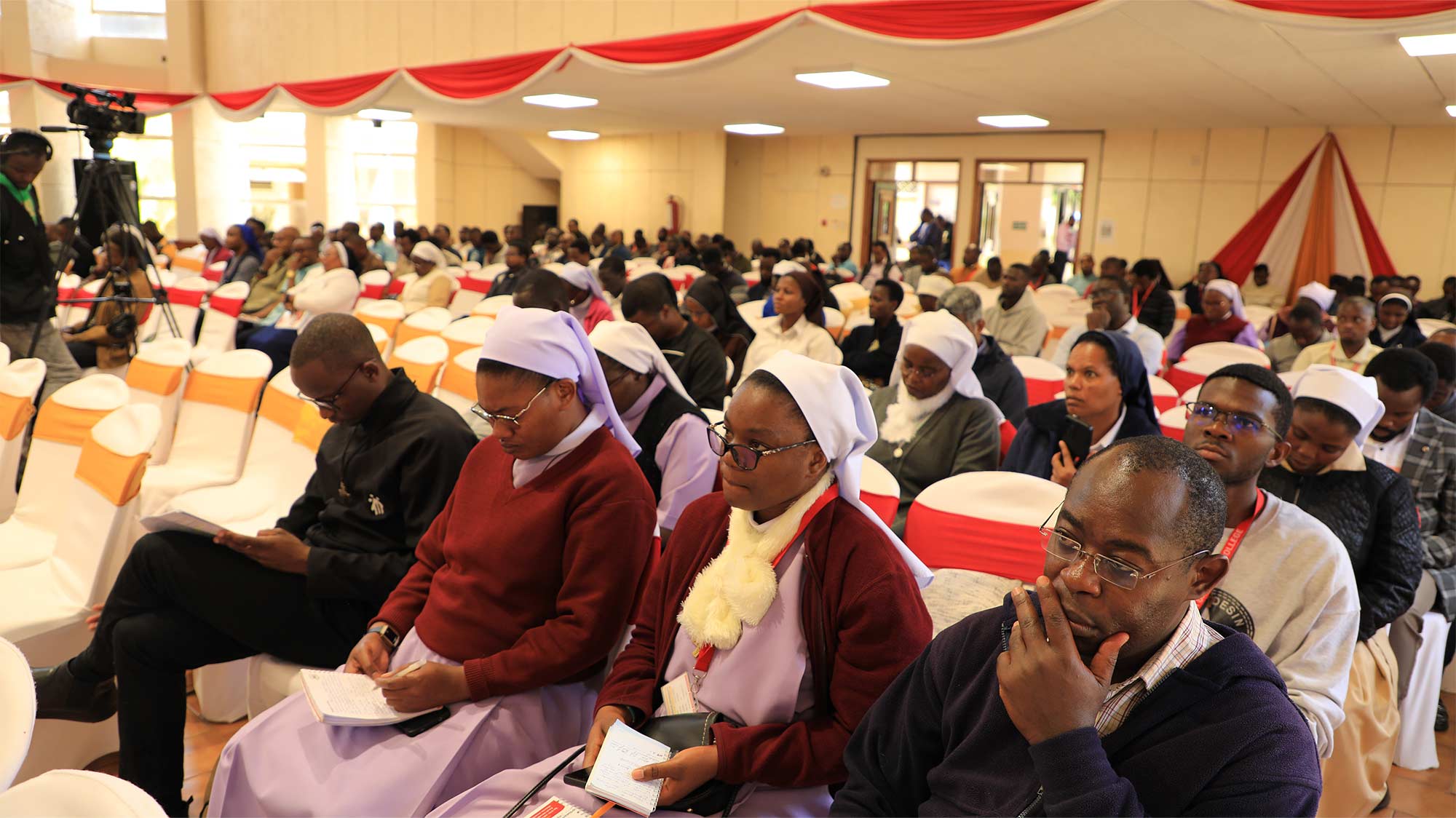
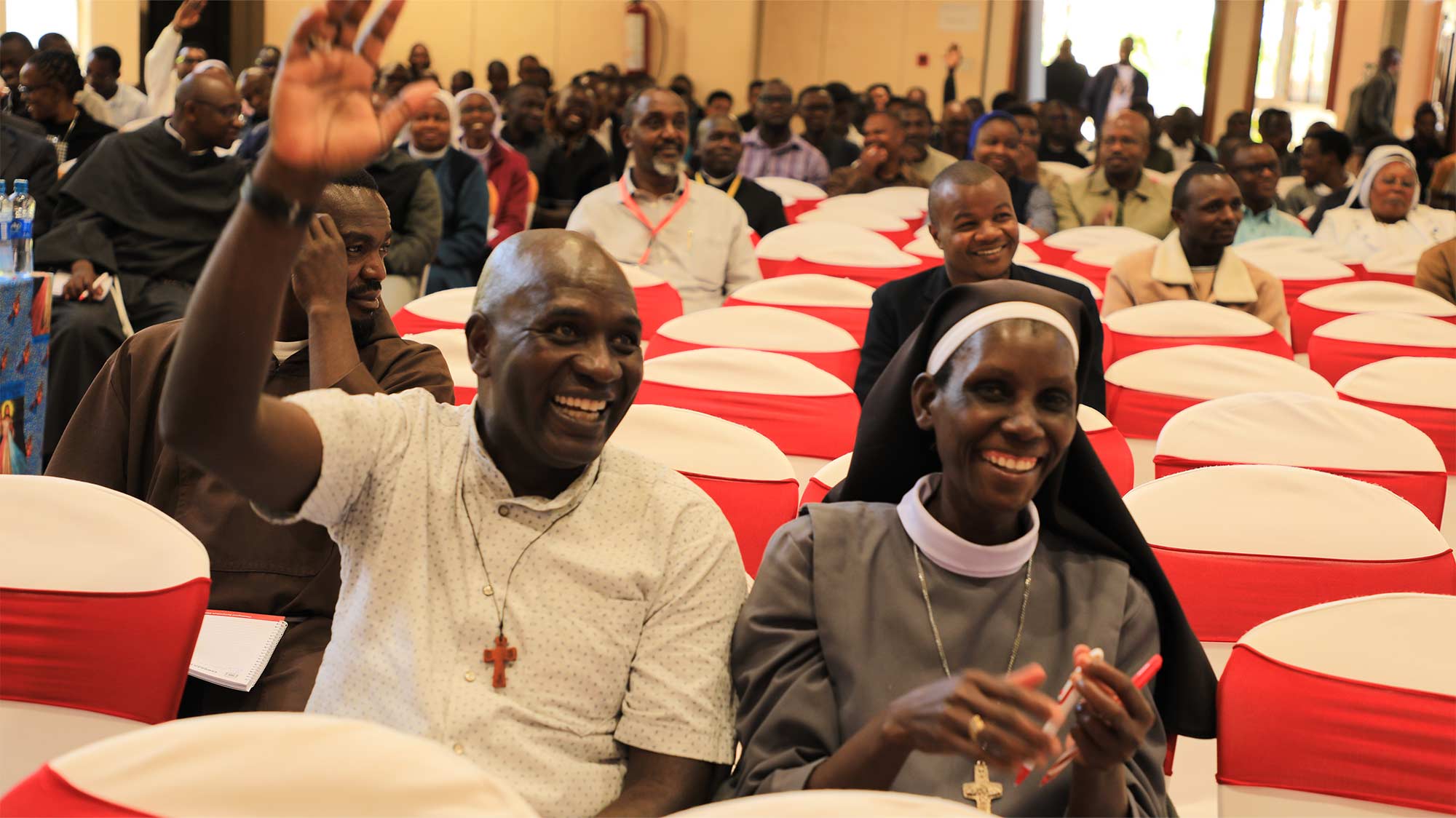
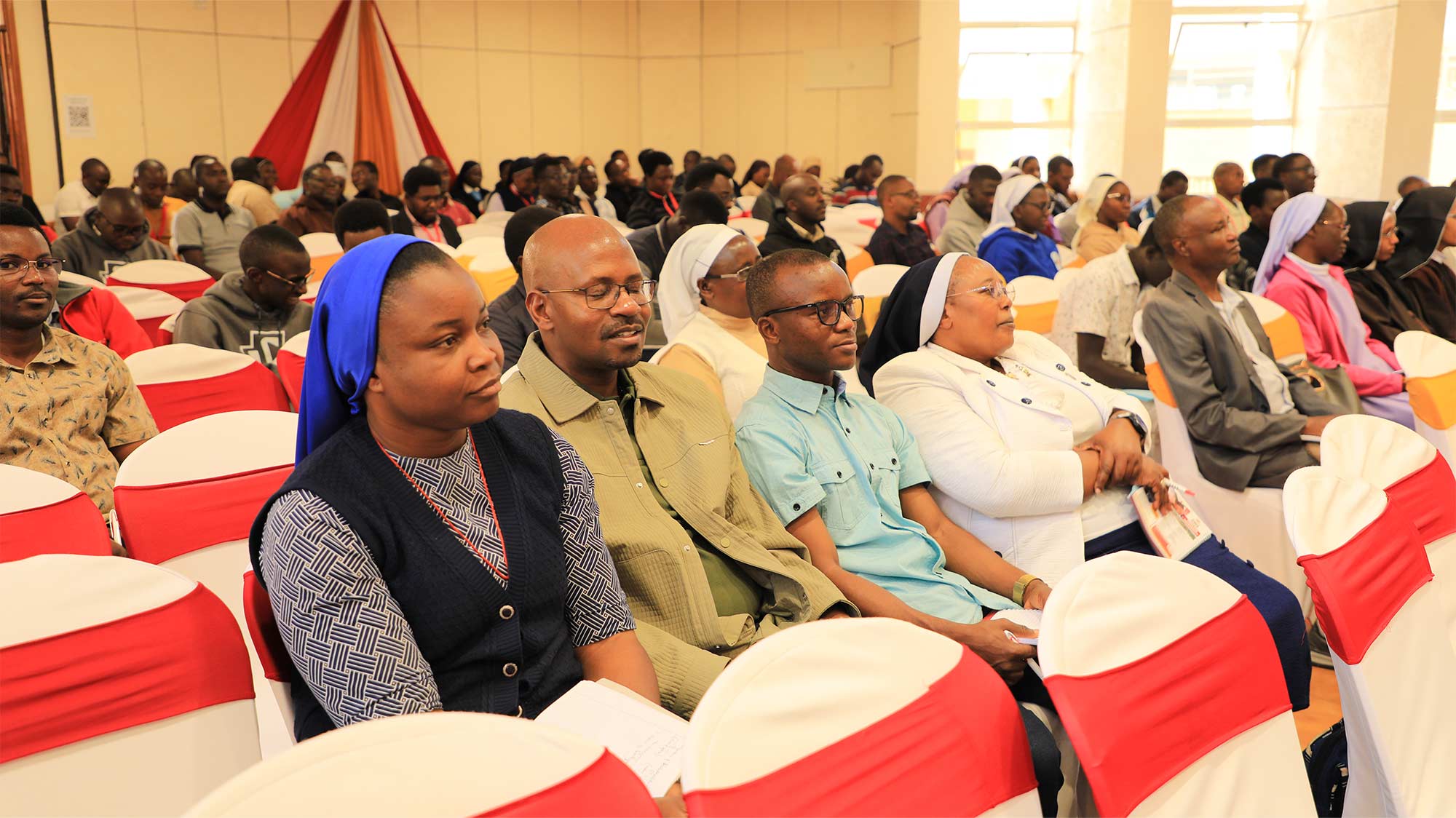
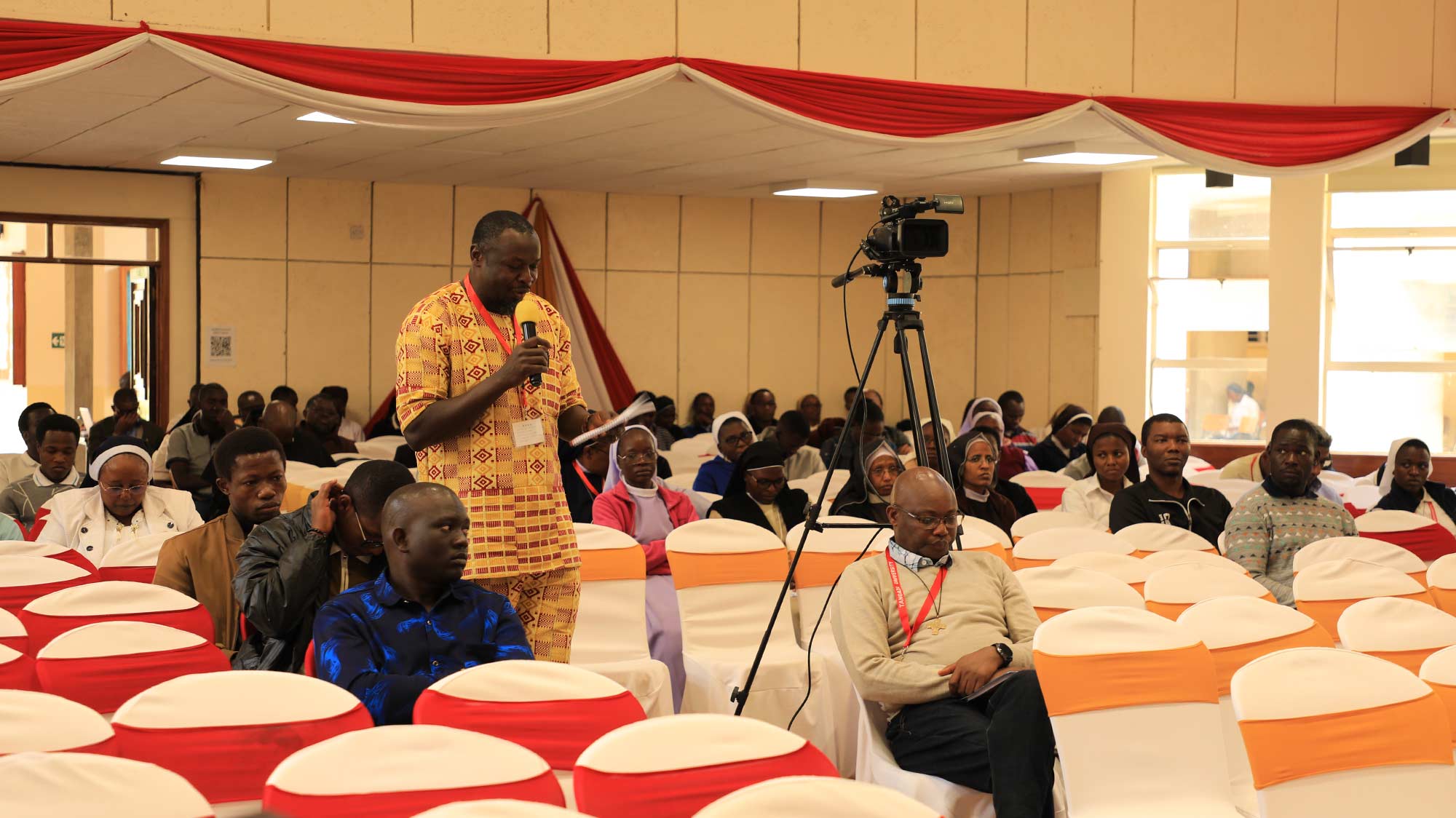
The School of Theology, Biblical Department and the Institute of Spirituality and Religious Formation recently hosted a theological symposium that explored the intersection between Artificial Intelligence (AI), theology, and religious studies. The theme for the symposium was, ‘The Word of God in the Era of Artificial Intelligence.’ The symposium participants reflected on how the Word of God can be faithfully proclaimed in an era increasingly shaped by algorithms, automation, and digital intelligence. The symposium was both a moment of critical discernment and a prophetic call for the Church and theological institutions to actively shape the ethical and spiritual engagement with Artificial Intelligence.
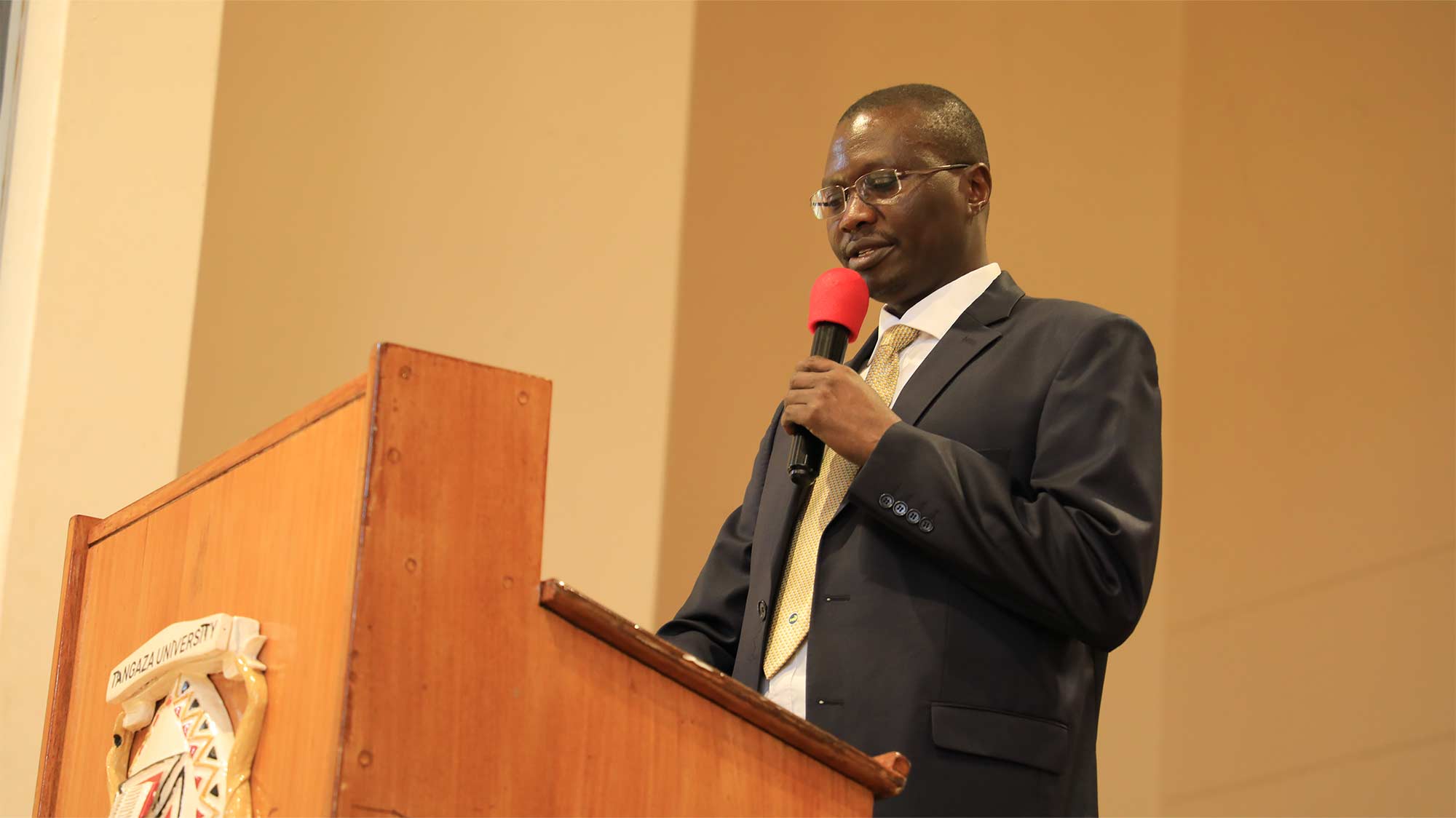
The opening reflections delivered by Rev. Prof. Patrick Mwania, CSSp, the Vice Chancellor, set the tone by emphasizing that while AI is rapidly transforming human interaction, knowledge production, and decision-making, it remains fundamentally external to the God-given intelligence of the human person. Participants noted that human intelligence encompasses emotional, adaptive, and moral dimensions that no machine can fully replicate. This distinction underscored the symposium’s central claim: AI can assist human activity but cannot replace the spiritual, relational, and moral depth intrinsic to human dignity.
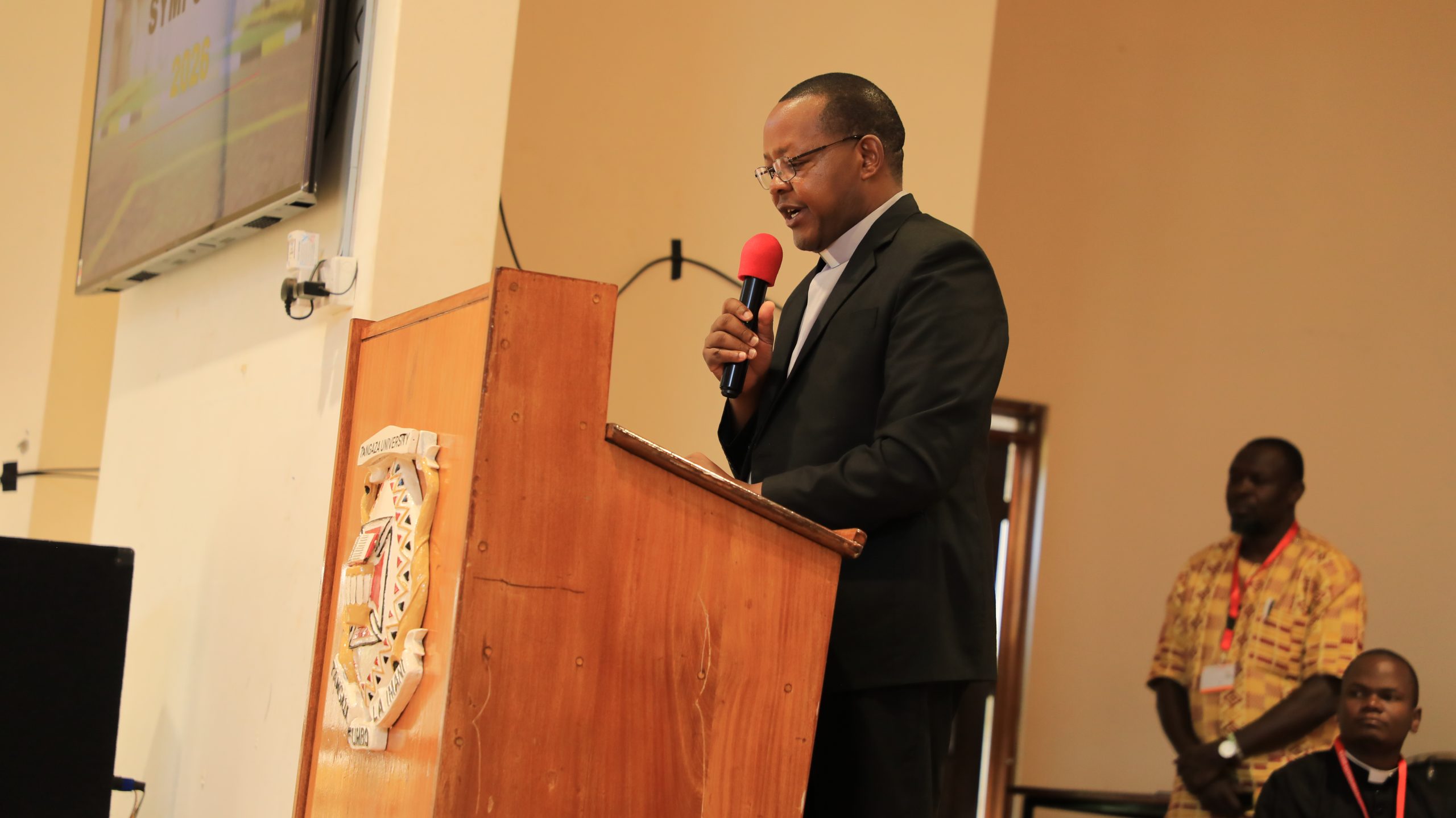
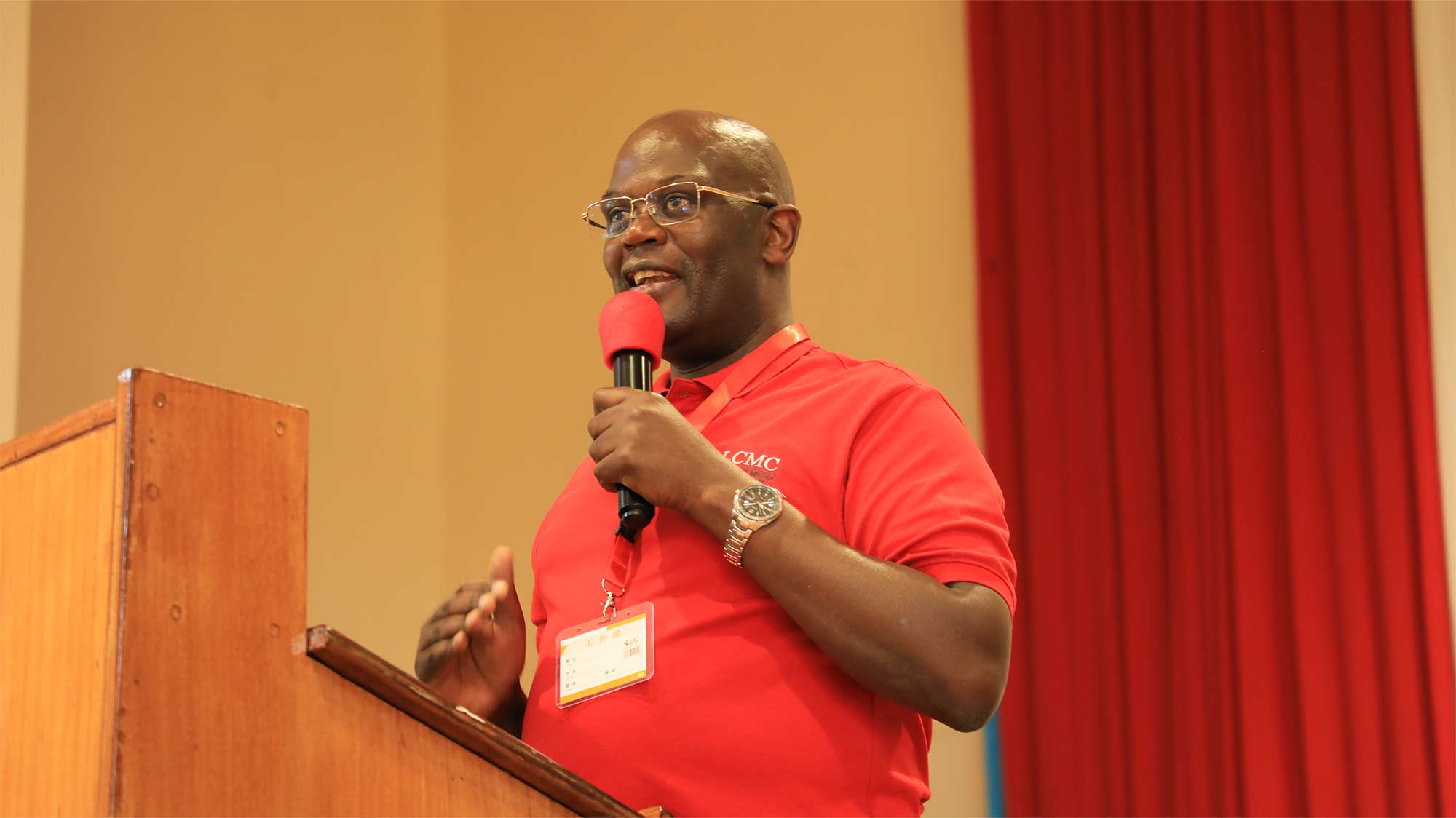
A keynote presentation by Rev. Dr. Elias Mokua, S.J. explored the theme “The Unchanging Word in a Changing World.” He traced the rapid evolution of AI from simple generative tools like Gemini and ChatGPT to advanced AI assistants and agentic systems capable of processing vast datasets and performing complex tasks. While acknowledging AI’s efficiency and transformative potential across sectors such as education, finance, healthcare, and pastoral research, he emphasized a crucial theological insight: AI can process information, but it cannot be truly present, empathetic, or spiritually discerning. Presence, relationship, empathy, and accountability remain uniquely human attributes grounded in the imago Dei.
The symposium further examined the theological implications of AI’s growing authority in knowledge generation. Questions were raised: If AI can instantly provide theological answers, translate Scripture, and even generate sermons, what becomes of pastoral authority and theological formation? Contributors warned of the risk of “digital idolatry,” where AI tools may subtly replace
human discernment, spiritual guidance, and communal accountability. The Church, therefore, must not reject AI outright but must critically and ethically engage it, ensuring that technology remains a servant rather than a master of human destiny.
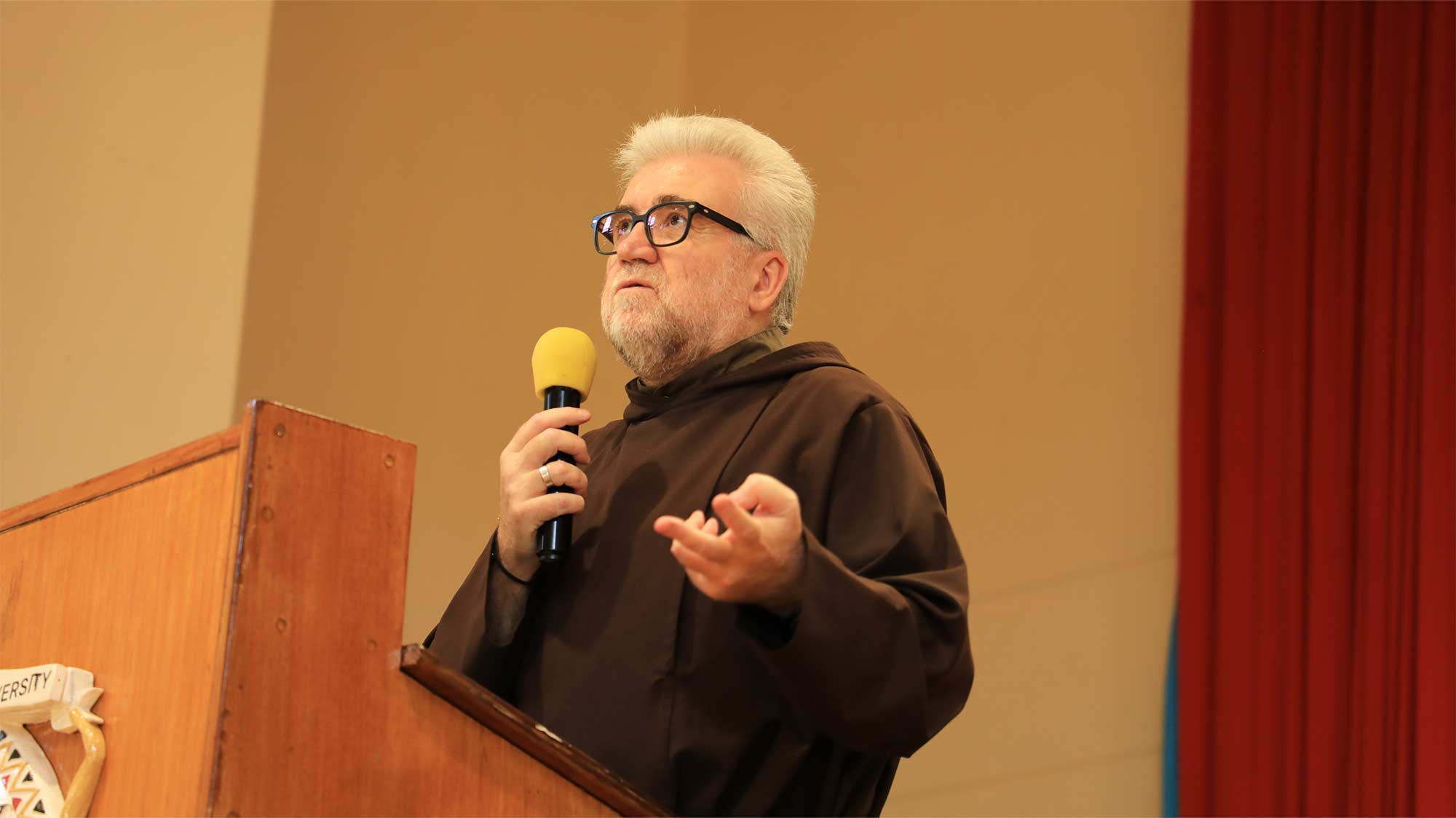
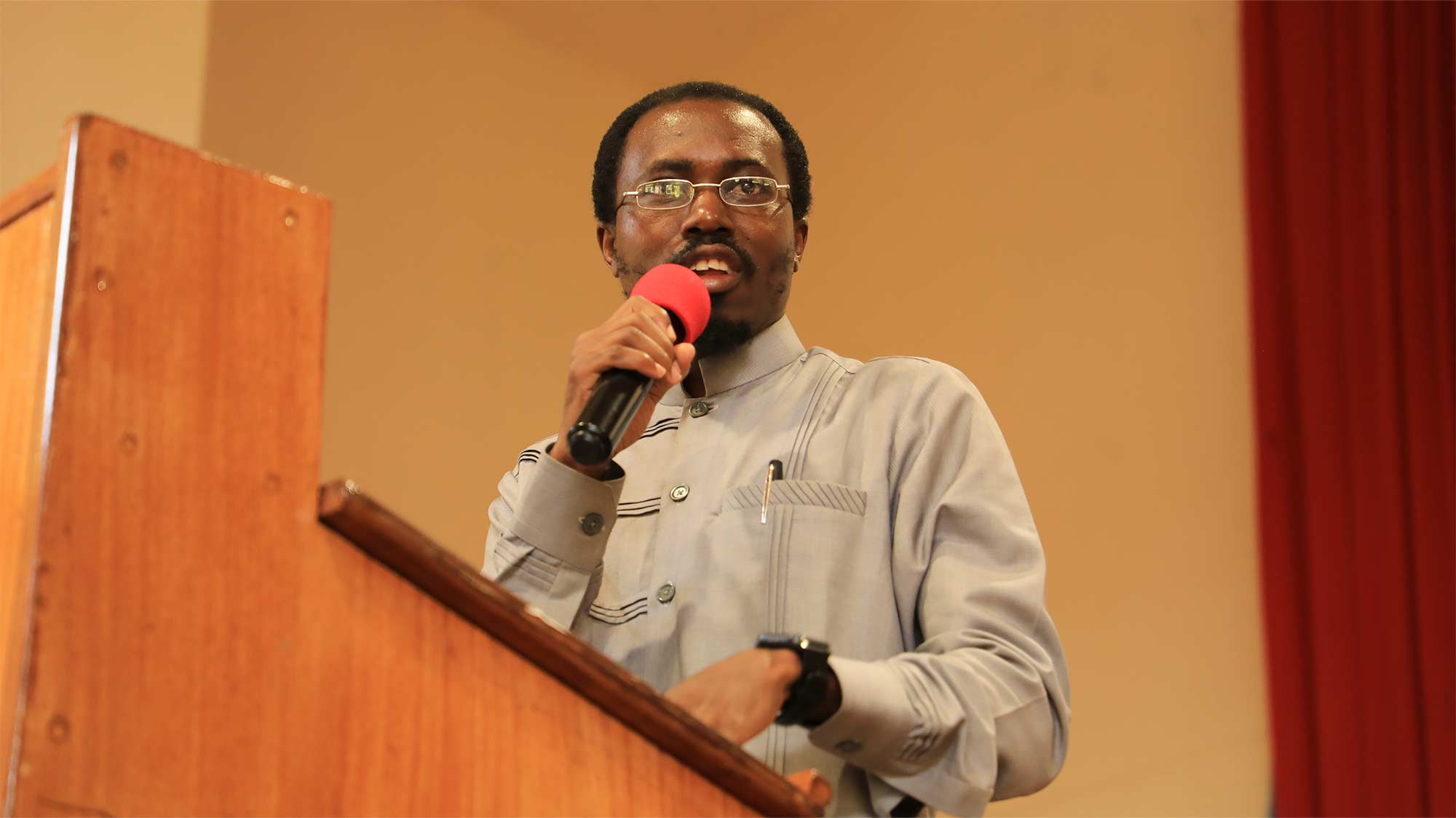
Building on this foundation, Prof. Joel Barasa Ijakaa offered a conceptual clarification of AI, machine learning, and deep learning, situating them within their historical development from the mid-20th century to the present era of automation and data-driven intelligence. He likened AI to a child shaped by the information fed into it, stressing that the quality of outputs depends on the integrity and intentionality of human inputs. From a Christian perspective, he challenged theologians to ask not whether AI will influence theology, but whether theology will shape the ethical development and application of AI in society. This perspective reframed AI not as a threat but as a field requiring theological engagement, moral guidance, and spiritual discernment.
The symposium also highlighted the doctrinal significance of the imago Dei as the central theological anchor in the AI age. Human beings bear God’s image and possess moral accountability, the capacity for worship, and spiritual depth qualities that AI systems cannot emulate. While machines may simulate reasoning and generate content, they lack the soul, conscience, and relational capacity essential to authentic faith practice. Thus, AI must always be evaluated against the foundational Christian affirmation of human dignity.
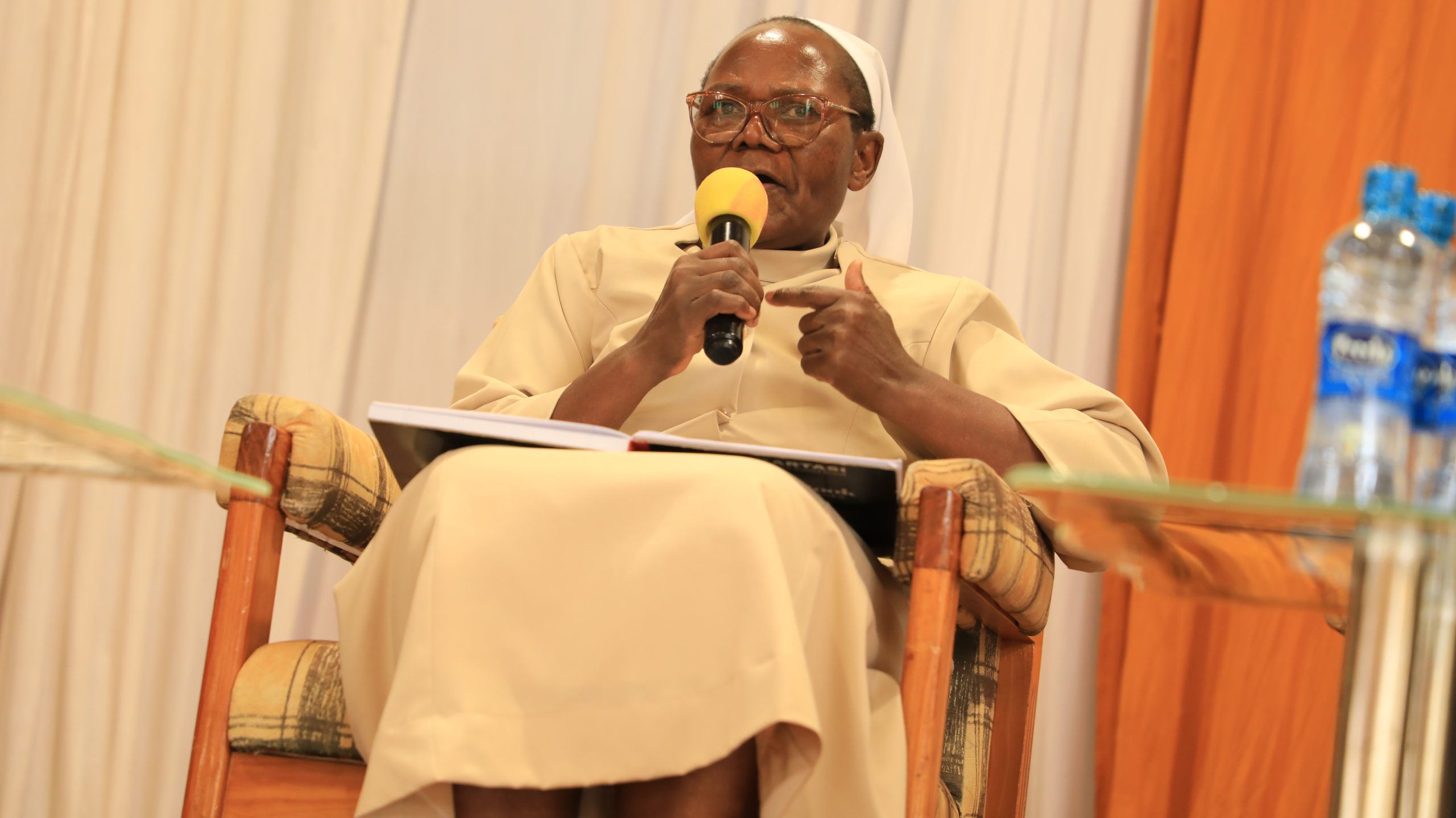
Another significant contribution focused on the implications of AI for evangelization and youth formation. Sr. Dr. Aringo emphasized that Scripture remains the living and performative Word that offers divine wisdom beyond algorithmic reasoning. She noted that AI’s rapid advancement has altered how young people receive knowledge, thereby requiring a more holistic and spiritually grounded formation. When used prudently, AI can enhance new evangelization by enabling translation, accessibility, tailored learning, and global outreach. However, genuine evangelization must remain rooted in authentic judgment, discernment, and spiritual accompaniment.
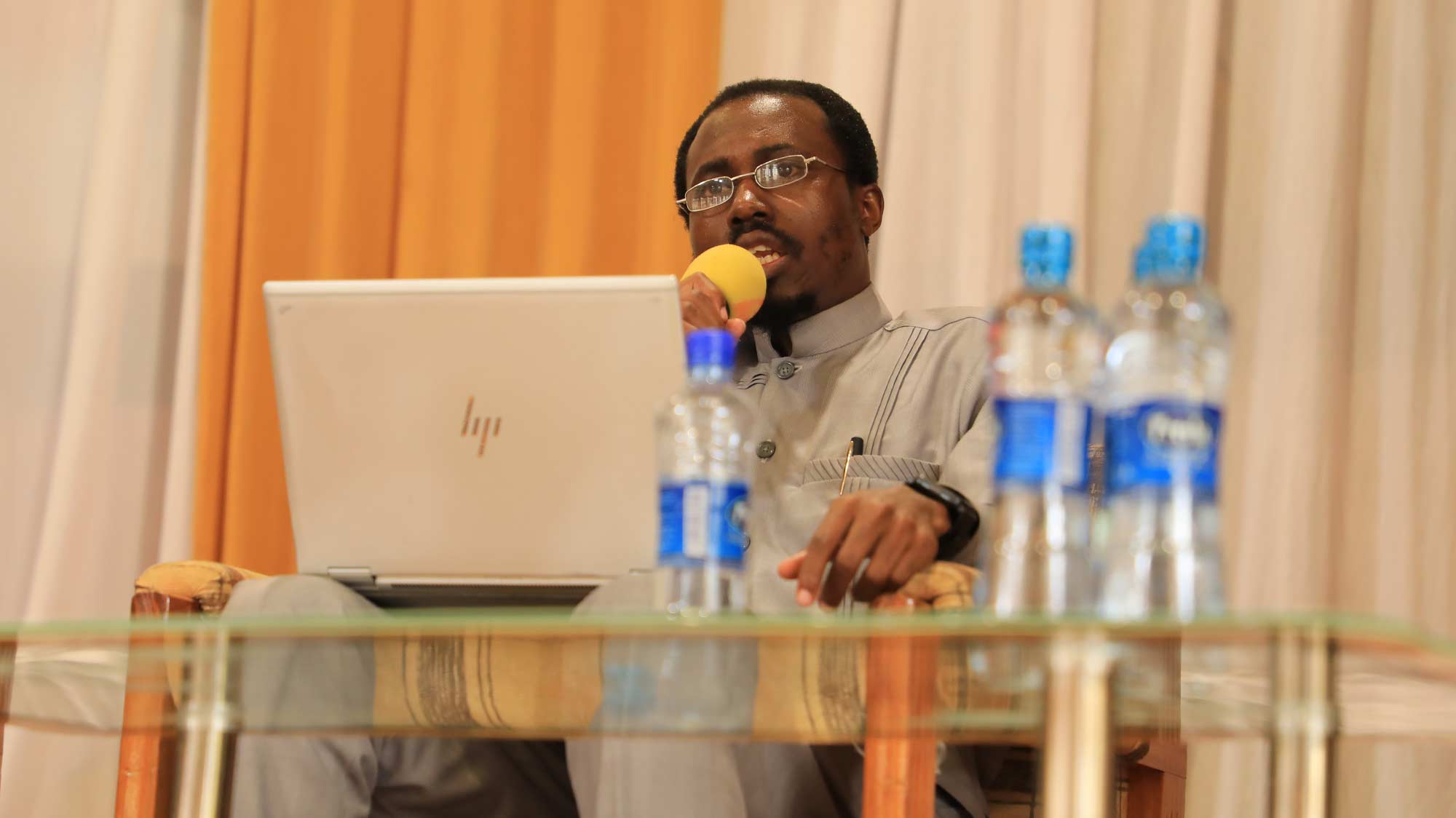
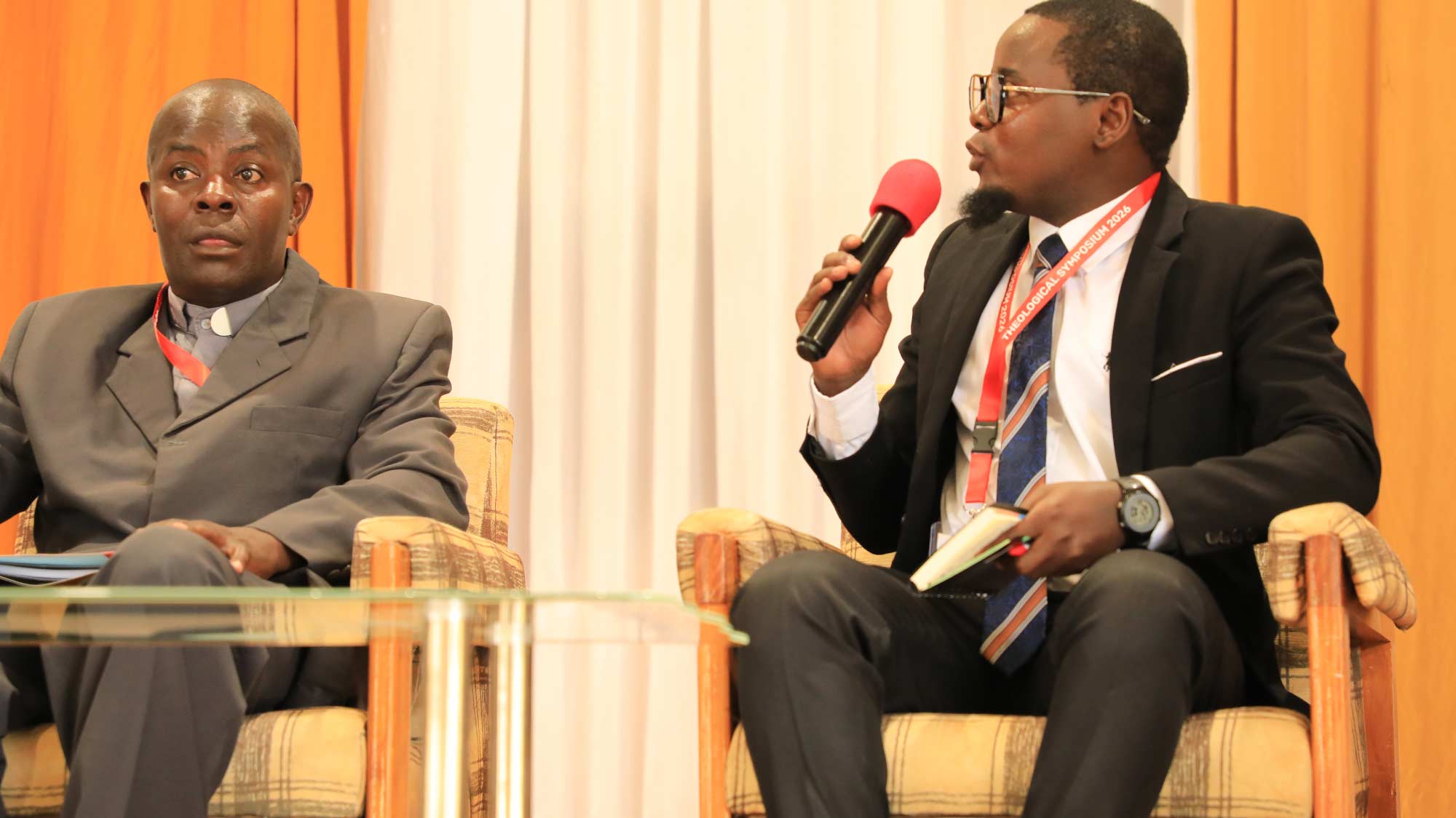
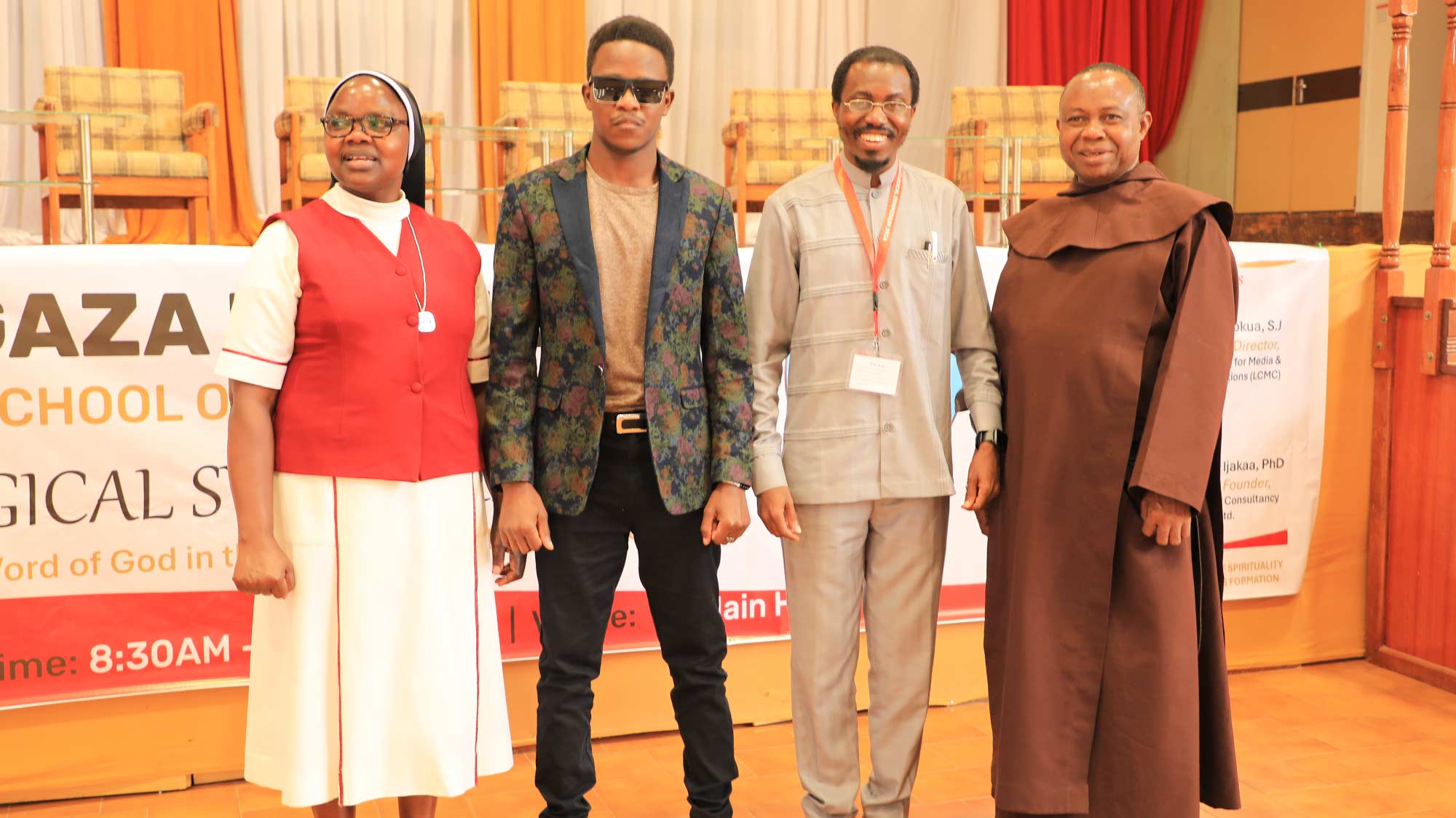
The discussions also drew on the evolutionary spirituality of Pierre Teilhard de Chardin, as presented by Sr. Dr. Lilian Adhiambo and Rev. Dr. Corbinian Kyara, who argued that technological progress can participate in the broader evolution of human consciousness when ethically and spiritually discerned. This perspective invited theological institutions to integrate scientific and
technological awareness into religious formation, affirming that human beings are not passive recipients of technology but co-creators called to guide its development toward the common good.
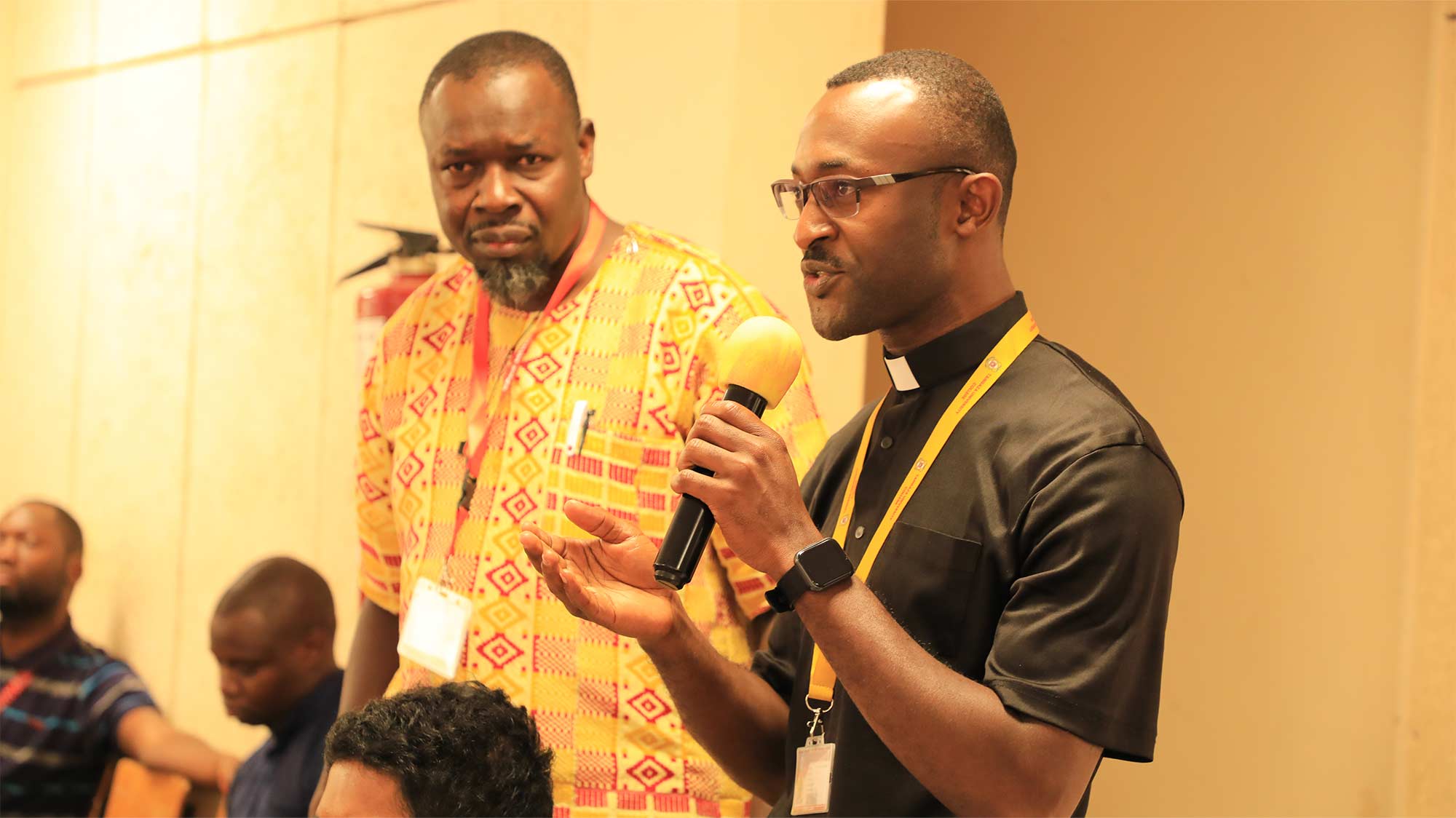
Pastoral implications were extensively discussed. Participants observed that many believers now consult AI tools before seeking pastoral counsel, raising questions about authority, authenticity, and spiritual guidance. The symposium therefore called for deeper biblical literacy, digital theology curricula, and responsible AI ethics within theological education. Ministers and scholars were urged to engage AI constructively, neither dismissing it blindly nor surrendering discernment to technological efficiency.
The symposium concluded with a prophetic call to the Church and academic institutions: to shape ethical frameworks for AI, defend human dignity, and ensure that technological progress serves holistic human flourishing. AI offers powerful opportunities for research, translation of sacred texts, educational support, and mission outreach. Yet, it must never replace prayer, discernment, community, or the sacramental presence that defines Christian faith. The Church is therefore called not to fear AI, but to guide its development with wisdom, ethics, and a firm commitment to the dignity of the human person.