

Useful links
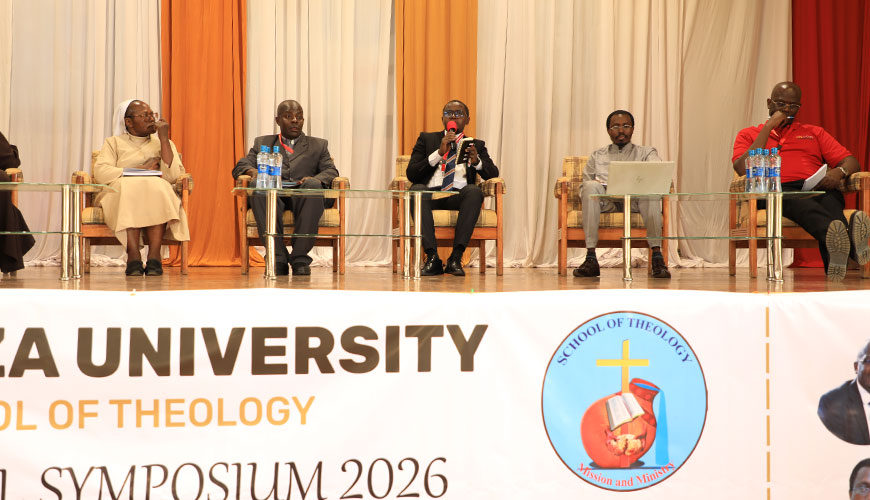
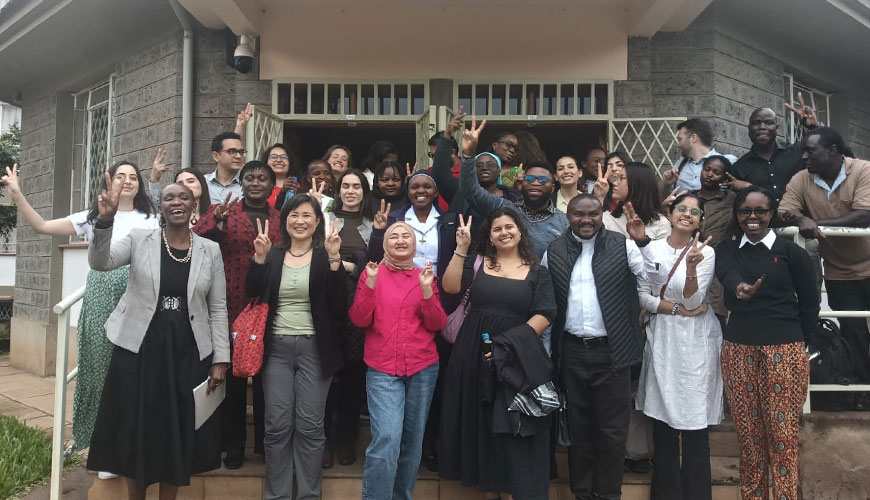
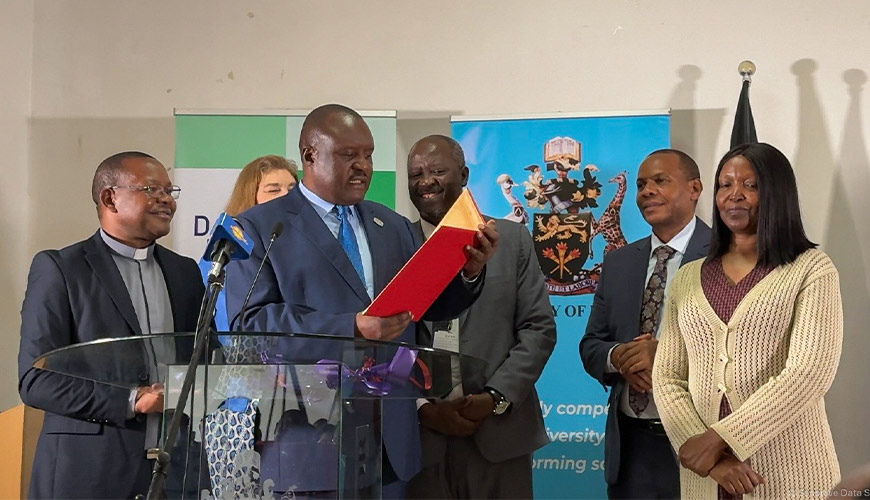
This conference brings together policymakers, researchers, humanitarian actors, and technology experts to explore how African-led data spaces can strengthen sovereignty, enable ethical AI, and support health and humanitarian action. It aims to foster shared strategies, build capacity, and catalyse long-term collaborations.
Digital data has become the world’s most valuable economic, political, and social resource. Knowledge begins with data, and in many African traditions, communities share and reflect on information together to reach collective solutions.
The internet has not lived up to its original promise as a democratic space for sharing knowledge. A few powerful global tech companies dominate the digital landscape. They collect African data on a massive scale, process it abroad, and sell AI products back to Africa—without African participation, control, or benefit. This creates a serious data and AI sovereignty gap and is a challenge for Africa.
In health, this gap leads to:
• Data loss, e.g. when health clinics lose access to data after donor programmes ended.
• Capacity loss, due to uncoordinated digital apps that cannot work together.
• Limited data use, because health workers often cannot analyse or reuse their own data for surveillance, research, or drug development.In the humanitarian sector, sensitive data is fragmented and difficult to share, making rapid crisis response challenging.
African engineers and scientists have developed a new approach to reclaim control while enabling innovation. The African Humanitarian and Health Data Space combines sovereign data control with the ability to generate knowledge through responsible AI. Data stays with its producers but is enriched with semantic and relational metadata so it can be securely searched, linked, and analysed.
• Findable – data can be located easily.
• Accessible – clear rules govern access.
• Interoperable – shared standards ensure systems work together.
• Reusable – data can be reliably used for new purposes.And on FAIR OLR principles, which add:
• Open where possible, closed where necessary (sensitive data is protected).
• Localised – data is connected across trusted systems.
• Regulatory compliance – ethical and legal safeguards guide use.
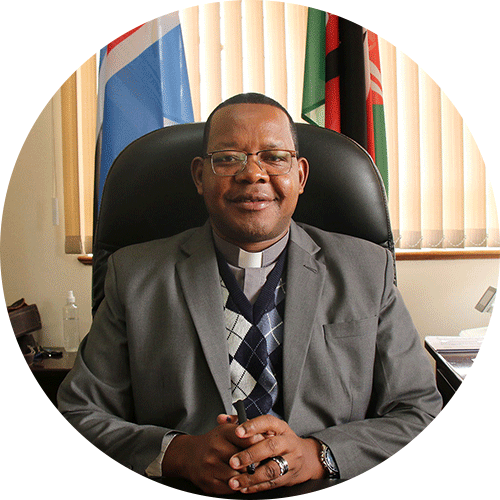
Rev. Prof. Patrick Mwania, CSSp. is a religious priest of the Congregation of the Holy Ghost Fathers (Spiritans) and a distinguished Catholic theologian and educator. He currently serves as Vice Chancellor and Rector of Tangaza University, Nairobi. He holds a Licentiate in Systematic Theology and a Doctorate in Theology, with specialization in Mission Theology, from the Philosophisch-Theologische Hochschule St. Augustine, Germany. In addition, he earned a Master of Arts in African Studies from DePaul University, Minnesota, USA. Prof. Mwania is a Professor of Theology at Tangaza University and serves as an External.
Examiner for postgraduate studies at the Catholic University of Eastern Africa (Main Campus) and Hekima University College, Nairobi. He is also an Academic Advisor and External Examiner at Hekima University College. His publications include The African Woman as an Agent of Evangelization (2009) and Church, Salvation and Religions (2016). He has authored numerous scholarly articles in edited volumes, periodicals, and peer-reviewed journals across Africa and Europe.

The Rt. Hon. (Dr.) Moses M. Wetang’ula, EGH, MP, is the 8th Speaker of the National Assembly of Kenya, having been elected on September 8, 2022. With a public service career spanning over forty years, he began as a Magistrate in 1982 before entering politics in 1993 as a nominated member of the 7th Parliament. Wetang’ula has served five terms as a Member of the National Assembly for Sirisia Constituency and as Senator for Bungoma County from 2013 to 2022, where he was the Senate Minority Leader. He has held various cabinet positions, including Minister for Trade and Minister for Foreign Affairs, while also chairing the African Union Peace & Security Council.
In his acceptance speech as Speaker, he emphasized that leaders are servants of the people. Wetang’ula is committed to enhancing parliamentary diplomacy and strengthening Kenya’s relationships with international parliamentary bodies. He is an advocate of the High Court of Kenya and possesses a deep understanding of parliamentary practices.
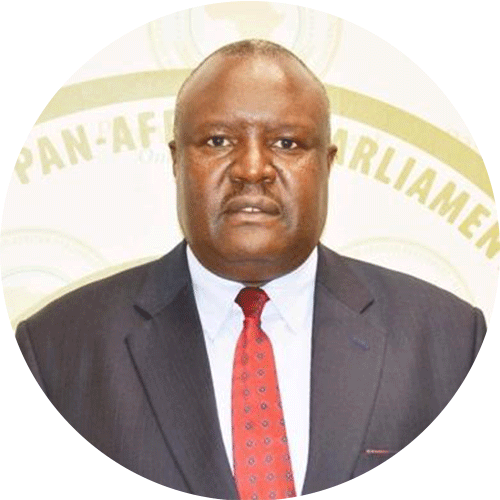
Hon. Chief Fortune Zephania Charumbira is a notable Zimbabwean politician and traditional leader, currently serving as the President of the Pan-African Parliament since June 2022, and as President of the Zimbabwe Council of Chiefs since 2013. He has also held the position of Vice President of the Pan-African Parliament and served as Deputy Minister in Zimbabwe’s Ministry of Local Government and Public Works.
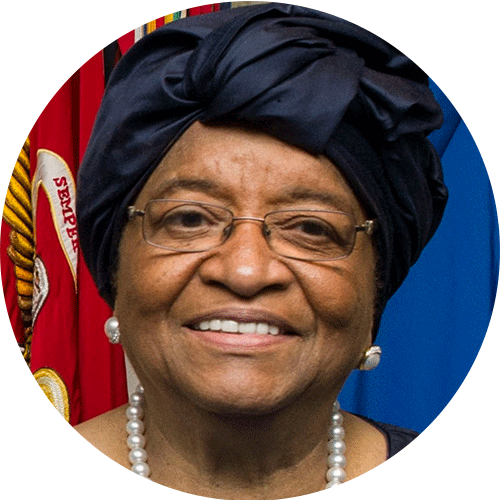
H.E. President Ellen Johnson-Sirleaf (born October 29, 1938, Monrovia, Liberia) is a Liberian politician and economist who was president of Liberia (2006–18). She was the first woman to be elected head of state of an African country. Sirleaf was one of three recipients, along with Leymah Gbowee and Tawakkul Karmān, of the 2011 Nobel Prize for Peace for their efforts to further women’s rights.
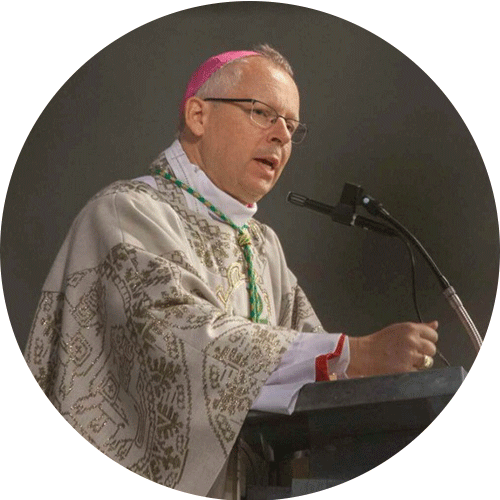
H.E. Bert van Megen is a distinguished Dutch clergyman and diplomat for the Vatican. He completed his priestly formation at the Rolduc seminary and was ordained on June 13, 1987. His early ministry included roles as a chaplain in Nieuw-Einde and Schaesberg before he joined the diplomatic service of the Holy See after further studies in Rome. Van Megen has served in various nunciatures around the world, including Sudan, Uruguay, Brazil, Israel, Slovakia, and at the United Nations in Switzerland.
Appointed apostolic nuncio to Sudan and titular archbishop of Novaliciana on March 8, 2014, his episcopal consecration took place on May 17, 2014. On June 7, 2014, he was also named nuncio to Eritrea. He was appointed nuncio to Kenya on February 16, 2019, and to South Sudan on March 19, 2019. Additionally, on May 25, 2019, he became the permanent delegate of the Holy See to UN-Habitat. Van Megen stepped down as nuncio for South Sudan on May 14, 2024
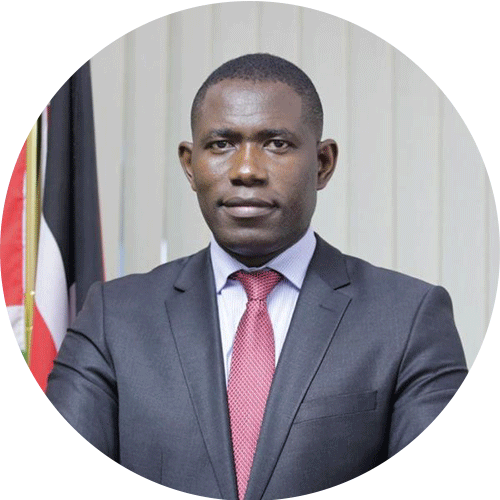
Dr. Fredrick Ouma Oluga, an esteemed alumnus of the University of Nairobi’s Faculty of Health Sciences, has made significant contributions to Kenya’s health sector through his roles in medical practice, union leadership, and public service. Dr. Oluga’s commitment to improving healthcare systems led him to serve as the Secretary-General of the Kenya Medical Practitioners, Pharmacists and Dentists Union (KMPDU) from 2014. In this role, he was instrumental in advocating for better working conditions for healthcare professionals and reforms in the health sector. His leadership extended to public service when he was
appointed as the Chief Officer of Health in the Nairobi Metropolitan Services (NMS), where he oversaw health services in Kenya’s capital. In March 2025, Dr. Oluga was appointed as the Principal Secretary for the State Department for Medical Services in the Ministry of Health. In this capacity, he plays a pivotal role in shaping health policies and ensuring the delivery of medical services across the country.
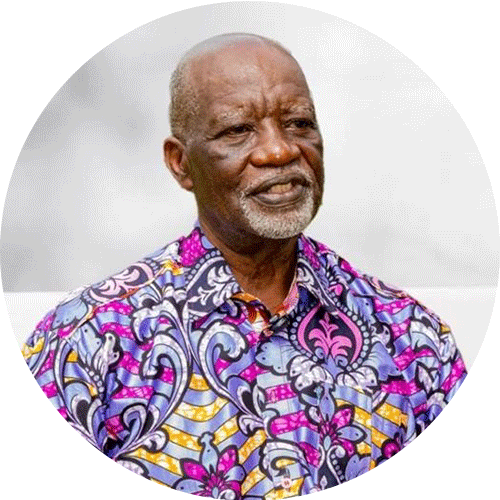
Prof. Dr. Khama Rogo is a Health Systems Specialist and obstetrician-gynecologist who earned his MD/PhD in Gynecologic Oncology in Sweden. With over two decades of advocacy in reproductive health and rights, he has served as the Lead Health Sector Specialist and Head of the Health in Africa Initiative at the World Bank Group, overseeing a $1 billion program focused on the private health sector in Africa. His past roles include Senior Advisor for Population and Reproductive Health at The World Bank, where he contributed to initiatives like Safe Motherhood and the Multi-Donor Trust Fund for health system establishment in South Sudan.
In Kenya, he founded the Nairobi Oncology Centre and has held leadership positions in various health organizations, including the Kenya Medical Association, the Kenya Cancer Society, and the Center for the Study of Adolescence. He also founded K-MET, a network of private reproductive health care providers in Africa, expanding its reach to countries like Nigeria and Uganda, and has served on the FIGO Committee on Women’s Sexual and Reproductive Rights.
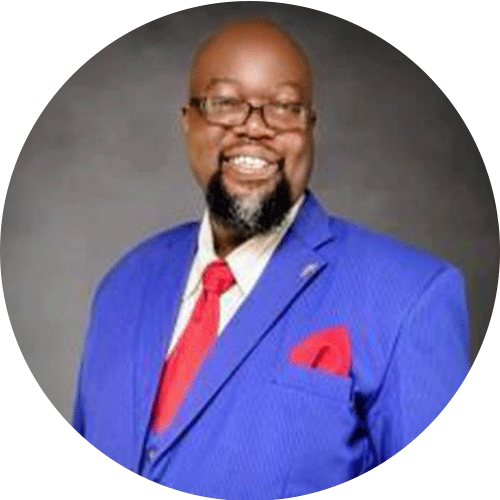
Dr. Edris Omondi (Honoris Causa) is a legal and governance practitioner specializing in data governance, preventive justice, and public-interest safeguards within health and humanitarian systems. As the Founder and Executive Director of the Crime Prevention Initiative Trust (CPIT), he promotes prevention-oriented approaches to law and technology across Africa. His prior role as County Attorney for Kisumu and the founder of Edris & Company Advocates has shaped his expertise in constitutional law and community governance. Recently, Dr. Omondi has focused on data sovereignty, ethical AI, and cross-border data governance related to sensitive health data.
Through CPIT, he collaborates with various stakeholders to align legal frameworks and practices with human dignity and accountability. He also serves on several advisory boards focused on social justice and community development and leads initiatives like the Bethzatha Children and Community Program in partnership with UNESCO Kenya. Dr. Omondi’s work emphasizes the need for data governance that is legally sound, ethically grounded, and culturally contextualized to protect public trust and sovereignty in Africa.
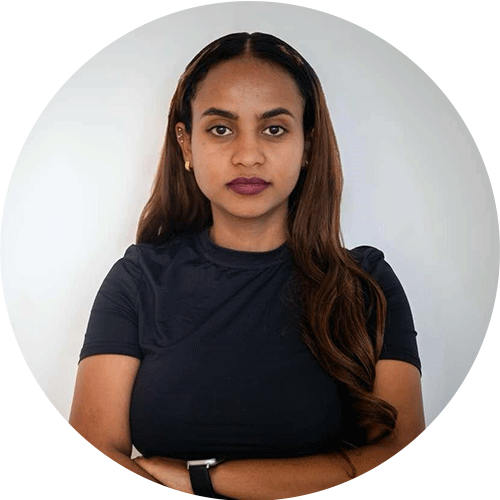
Kokob Gebru Kidanu is a mental health practitioner, researcher, and feminist human rights defender working in health and humanitarian settings across East Africa. She is a PhD researcher whose work focuses on trauma resilience among survivors of conflict-related sexual violence in Tigray, Ethiopia. Kokob currently serves as the Project Manager for the regional implementation of the East African Feminist Peace Network, coordinating feminist peacebuilding, advocacy, digital safety, and care initiatives across Ethiopia, Kenya, and Uganda.
She also serves as Deputy President of EEPA (European External Program with Ethiopia) and has been involved in GAIC (Global Access, Innovation and Care) as part of the VODAN research group, contributing to work and dialogue on ethical, responsible data use and locally grounded digital approaches in health and humanitarian systems.
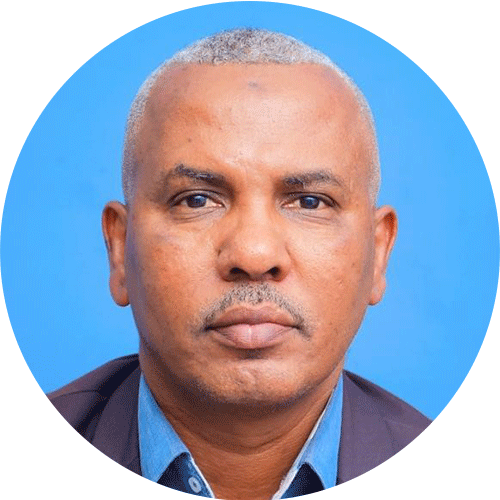
Dr. Eyasu Yazew Hagos, born 1971 in Alamata, Ethiopia, obtained MSc degree in Soil and Water Engineering from Silsoe College, Cranfield University in the United Kingdom in 1996 and PhD in Land and Water Development from UNESCO-IHE Institute for Water Education (The Netherlands) in 2005. He has been serving Mekelle University as a senior lecturer and researcher and is engaged in various land and water development related joint research, capacity building and community service projects funded by different international development partners such as NUFFIC, NWO, DUPC, European Union, GIZ, IGAD, IFAD, CGIAR, etc.
In addition, he is actively involved in the provision of advisory, consultancy and community services related to water resources development and management to various partners including government, NGOs and the farming community. Currently, he is Associate Professor in Land and Water Development and Vice President for Research and Community Engagement of Mekelle University. In addition, he is a founder, trustee and board member of the AFRICA UNIVERSITY NETWORK ON FAIR OPEN SCIENCE (AUN – FOS).
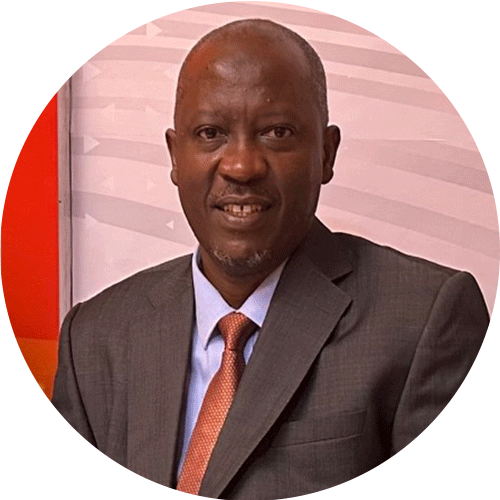
Prof. Dr. Mouhammad Mpezamihigo is a prominent Ugandan academic and university administrator with over three decades of experience in higher education. As of May 2024, he serves as the Vice Chancellor of the Equator University of Science and Technology (EQUSaT) in Masaka, Uganda, and has chaired VODAN-Africa since 2020. He co-founded the Africa University Network on FAIR Open Science and led the Digital Innovation and Skills Hub (DISH), a pre-university program aimed at assisting vulnerable students who have dropped out of education.
Prof. Mpezamihigo earned his Bachelor of Science in Forestry and Master of Science in Agriculture from Makerere University and a Ph.D. in Horticulture and Landscape Management from the University of Reading, supported by a Science and Technology Merit Scholarship from the Islamic Development Bank. Previously, he held key leadership roles, including Vice Rector at the Islamic University in Uganda and Vice Chancellor of Kampala International University, where he significantly improved the university’s standing as one of Uganda’s top private institutions. He is known for his focus on innovation, academic quality assurance, and curriculum reforms that enhance graduate employability while integrating technology into education. His contributions to higher education have earned him regional recognition, and he actively engages in various academic and professional forums, including the Inter-University Council for East Africa, to promote collaboration and development in the sector.
This initiative is led by Tangaza University with partners including Nairobi University, Hekima University College, Mekelle University (Ethiopia), Equator University of Science and Technology (Uganda), and universities across Nigeria, Guinea-Bissau, Ghana, Zimbabwe, Rwanda, Namibia, Tanzania, Somalia, and South Africa.
The Conference Director, Dr. Reginald Nalugala and Fr Innocent Maganya, under the office of Institutional Advancement and Development, Tangaza University, are responsible for the conference programme. The conference is organised in collaboration with international actors such as the Belgium based humanitarian organisation EEPA and the Data Governance in Africa innovation programme sponsored Enabel.
The technical realisation is provided by the VODAN group.